
Manipulonyx fossil points to spike‑covered hand for gripping eggs
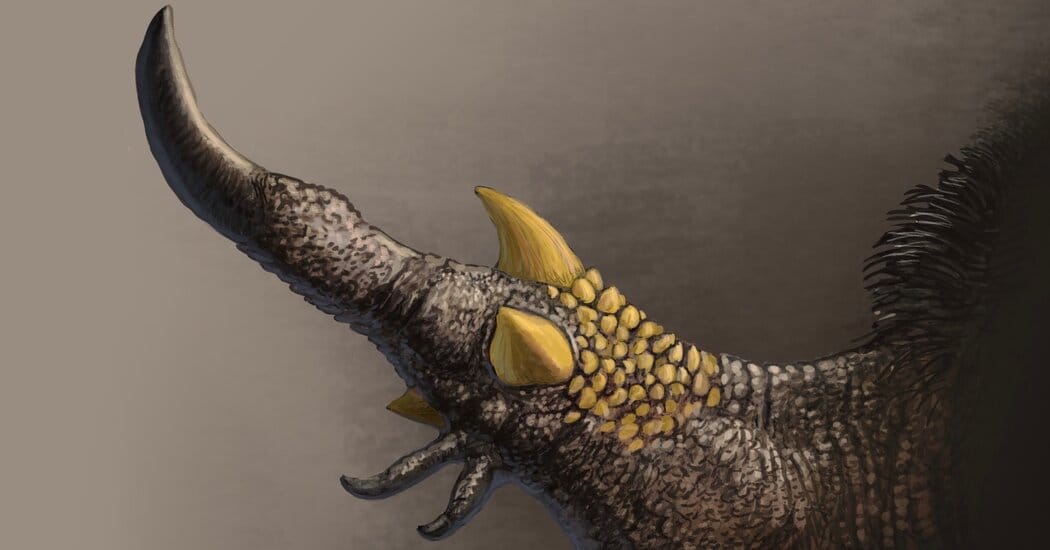
Researchers described a small, dog-sized dinosaur called Manipulonyx reshetovi in December, based on a specimen unearthed in Mongolia’s Gobi Desert in 1979; they say its spike-covered forelimb appears adapted to grip and crack eggs.
The animal, an alvarezsaurid from the Late Cretaceous about 67 million years ago, possessed a multitooled forelimb with a large hook-like claw, two reduced side digits and three spikes in the hand, the authors reported in the Proceedings of the Zoological Institute of the Russian Academy of Sciences. The specimen uniquely preserves articulated carpal bones; the team’s reconstruction suggests the spikes, likely sheathed in keratin, could brace slippery eggs while the large claw cracked shells. The original label for the specimen also notes nearby fossilized eggshells, and another alvarezsaurid skeleton in China was found with bits of oviraptorid eggshell.
Authors and outside experts treated the find as surprising: Alexander Averianov called the skeleton “unique in its superb preservation,” Stephen Brusatte said he was “never more flabbergasted” and Michael Pittman called the hand spikes “totally unexpected.” The researchers propose Manipulonyx may have raided nests at night, aided by large eyes and good hearing, but they acknowledge other uses are possible and that barbed hands in related alvarezsaurids remain to be confirmed in the fossil record.
Key Topics
Science, Manipulonyx Reshetovi, Alvarezsaurids, Gobi Desert, Mongolia, Late Cretaceous