
Marlow Moss reappraised as influence on Mondrian as Hague museum reorders works
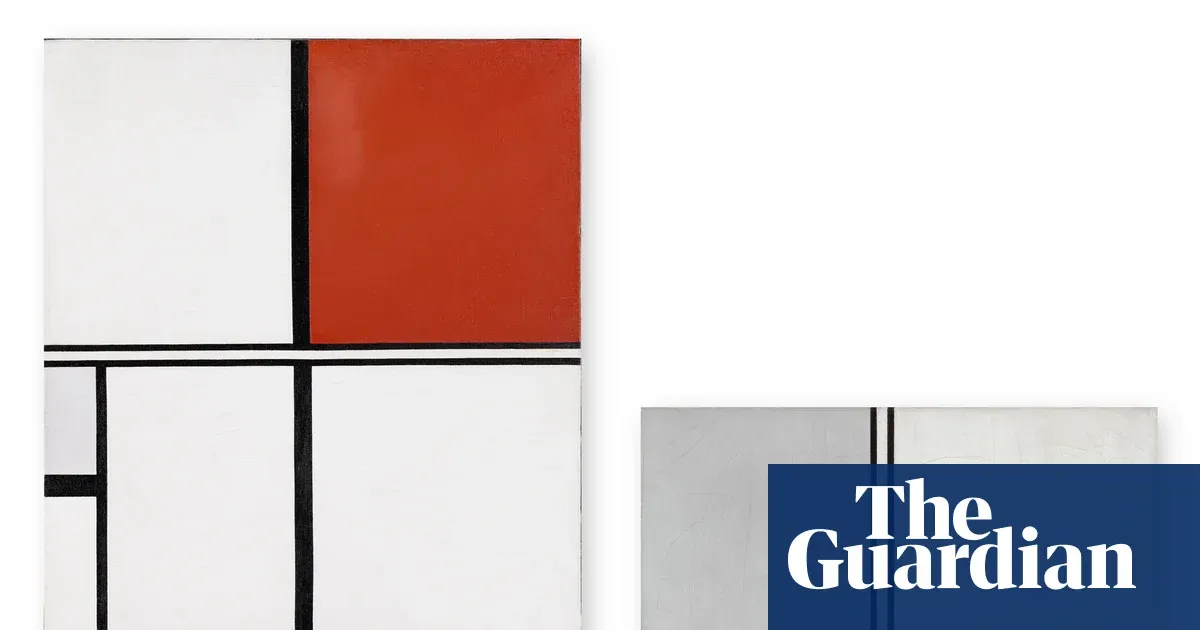
Marlow Moss is receiving a major reappraisal, with the Kunstmuseum in The Hague now positioning her works prominently in an exhibition that highlights her relationship with Piet Mondrian. The show of her paintings and sketches is on display in The Hague, and her sculpture will be shown at the Georg Kolbe Museum in Berlin in April.
The museum and several curators now emphasise that Moss’s use of double or parallel lines shaped the technique Mondrian adopted in the 1930s, rather than being simply the junior recipient of his influence. Clairie Hondtong, the Hague show’s curator, said the use of double lines appears to have evolved from exchanges between the two artists; visitors can compare Moss’s 1932 White, Black, Red and Grey with Mondrian’s 1937 Composition of Lines and Colour.
The Kunstmuseum had bought three Moss paintings in 1972 but formerly presented them as evidence of Mondrian’s influence. Born Marjorie Jewel Moss in London in 1889, she adopted the name Marlow, lived for periods in Cornwall and Paris, and was a member of the Abstraction-Creation group.
Moss and her partner Netty Nijhoff were known for wearing men’s suits. She worked in diverse materials such as cork and wood, practised constructivist methods and was the only Briton and only woman to appear in all five Abstraction-Creation journals.
Key Topics
Culture, Marlow Moss, Piet Mondrian, Georg Kolbe Museum, Abstraction-creation, Cornwall