
Mascha Schilinski’s Sound of Falling traces a century of secrets on a German farm
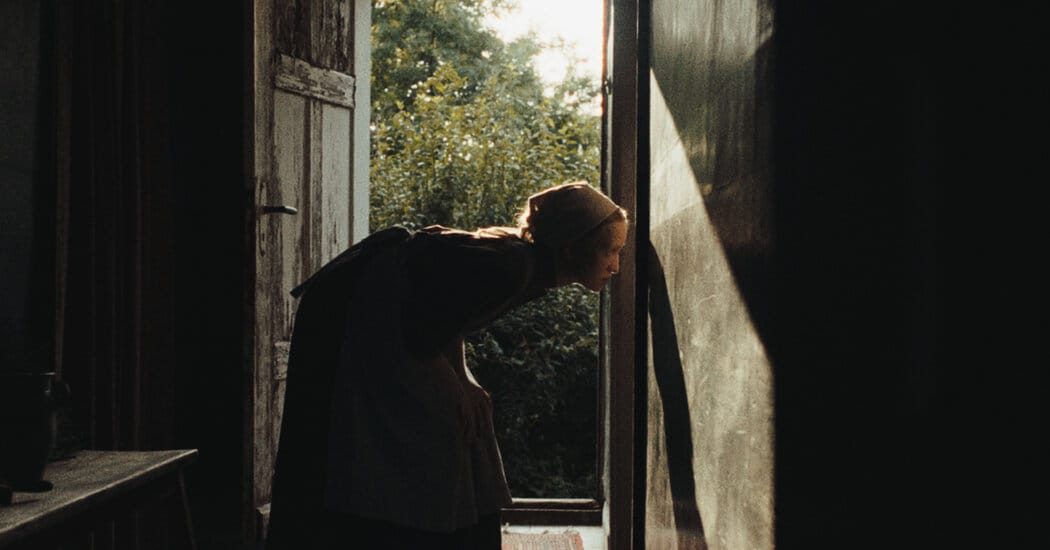
Mascha Schilinski’s film Sound of Falling, set across more than a century on a rural German farmhouse, examines how trauma is transmitted between generations. The film, Germany’s submission for the international feature Oscar and a Jury Prize winner at Cannes last year, was released in Germany to ecstatic reviews and is being released in U.S.
theaters on Friday, the director said. Schilinski said she was inspired by archival first-person accounts from the 1910s that revealed, amid everyday details, references to forced sterilization of servants. The movie interweaves stories of girls on a farm in Saxony-Anhalt in the 1910s, World War II, the 1980s under East German rule and the 2020s, employing ghostly visuals and intricate sound design to mirror and refract shocks such as forced sterilization, attempted mutilation, suicide and a forced marriage.
Production presented constraints: Schilinski worked with a modest budget of less than $2.5 million, shot in 33 days on a single empty farmstead in the Altmark region, and relied on local farmers for equipment. Her cinematographer, Fabian Gamper, said he used techniques including a pinhole camera and, in one instance, attaching it to a drone; German regulations limited child actors to three hours of shooting per day, and Schilinski auditioned hundreds of girls before selecting Hanna Heckt to play Alma.
Key Topics
Culture, Mascha Schilinski, Saxony-anhalt, Altmark, Fabian Gamper, Cannes Film Festival