
Matisse, 1941–1954: hit after glorious hit
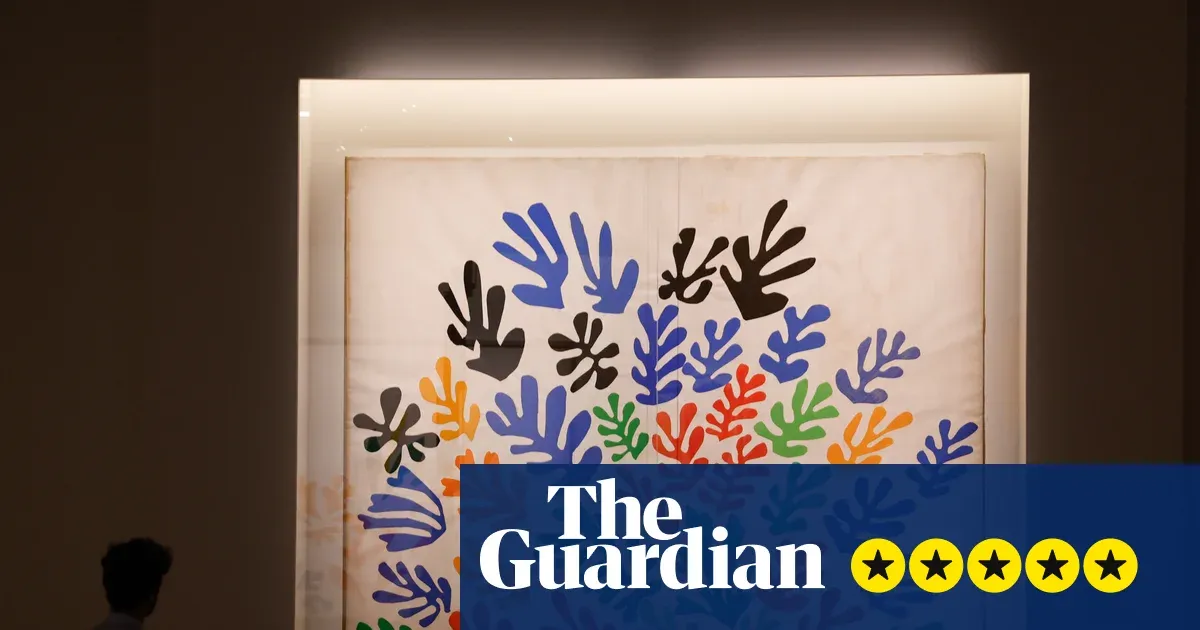
Henri Matisse reinvented himself after surgery in his early 70s as war broke over France. The Grand Palais’s large survey of his final years, 1941–1954, presents a dizzying celebration of colour, form, line and light, drawing on France’s vast collection of his work and offering one unbroken run of striking pieces.
The show opens with small, tightly reworked still lifes from his Nice studio: red tulips, oysters, lemons and mimosa rendered in an obsessive, almost cinematic sequence. The war loomed — in 1944 his wife and daughter, who had secretly joined the resistance, were arrested by the Gestapo — and that pressure fed a new focus.
His Themes and Variations drawings reduce the reclining figure and the vase to the barest line: “I have attained a form filtered to its essentials.” Another turn came when he gave up brushes and pens and began cutting paper.
France, Nice
henri matisse, grand palais, 1941–1954, nice studio, still lifes, red tulips, mimosa, drawings, reclining figure, gestapo