
Mesh vs. traditional Wi-Fi router: I tested both options for months, and here's my advice
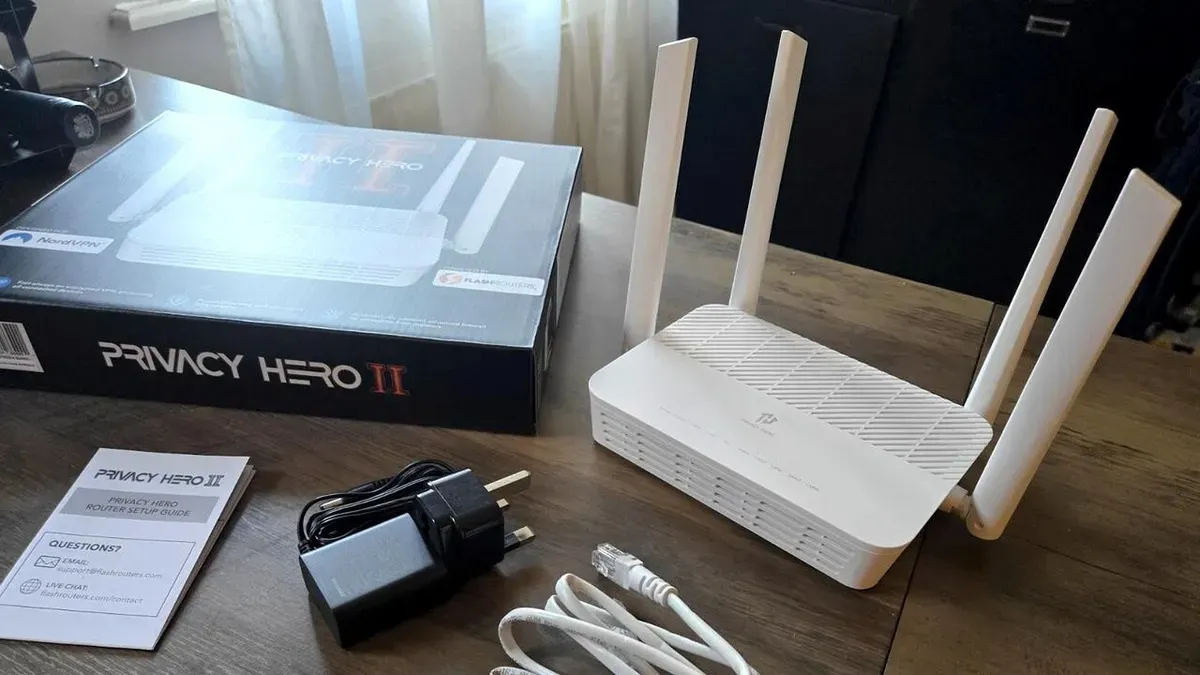
With more devices, smart gadgets, and flexible work, home Wi‑Fi needs have risen. The choice comes down to whether a single high‑powered router will cover your floor plan or a multi‑node mesh system is needed to eliminate dead zones. Traditional routers are generally cheaper, faster, and easier to set up.
A single well‑placed unit can meet heavy bandwidth and streaming needs, and a wired Ethernet connection usually gives the best speed and stability for demanding gaming or work. Routers also let you create guest and separate networks, though a lone access point can produce slow or spotty connections in distant rooms, and advanced tweaks often require a desktop interface.
Mesh systems use multiple nodes to blanket larger homes and reduce coverage black spots. Devices connect to the nearest satellite, which helps avoid drops and provides seamless handoffs as you move through the house. With enough satellites, mesh setups can cover up to 5,000 sq.
mesh wifi, traditional router, dead zones, ethernet, bandwidth, streaming, gaming, satellites, guest network, coverage