
When to use a minimal Linux installation
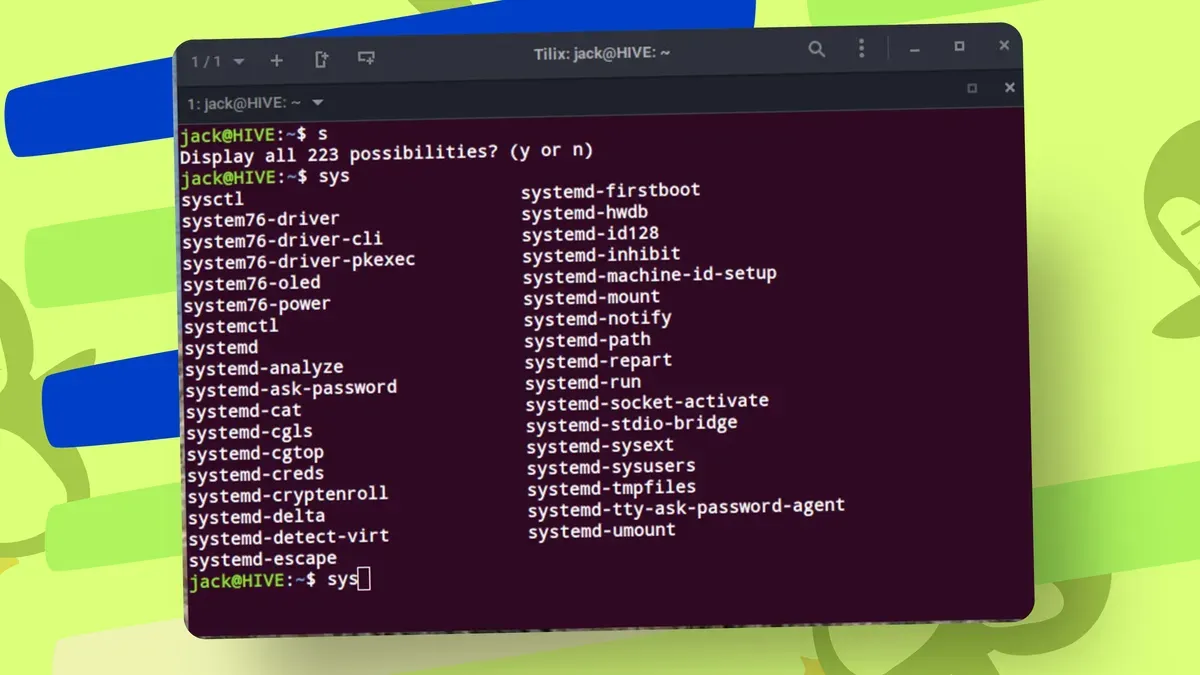
A minimal Linux installation provides only the core components needed for the operating system to work: the boot loader, the kernel, the networking stack, the shell, a command-line interface, basic GNU utilities and a package manager. It excludes a desktop environment, GUI applications, a sound server and productivity tools, and is typically text-only.
These installs are not aimed at users with little or no Linux experience, though many people start minimal and build the exact system they want. Typical minimal installations occupy roughly 500MB to 750MB and can run on very little RAM. Not every distribution offers a minimal option; Alpine Linux, Arch Linux, Debian, Slackware, Void Linux, NixOS and Tiny Core Linux are examples that do.
Some distros use a GUI installer but still produce a command-line-only result, and a lightweight desktop such as Fluxbox, LXQt or LXDE is not the same as a minimal installation. There are several practical reasons to choose a minimal install.
minimal linux, boot loader, kernel, networking, shell, command line, gnu utilities, package manager, desktop environment, arch linux