
Morocco's football rebound: from 2015 pariah to global host
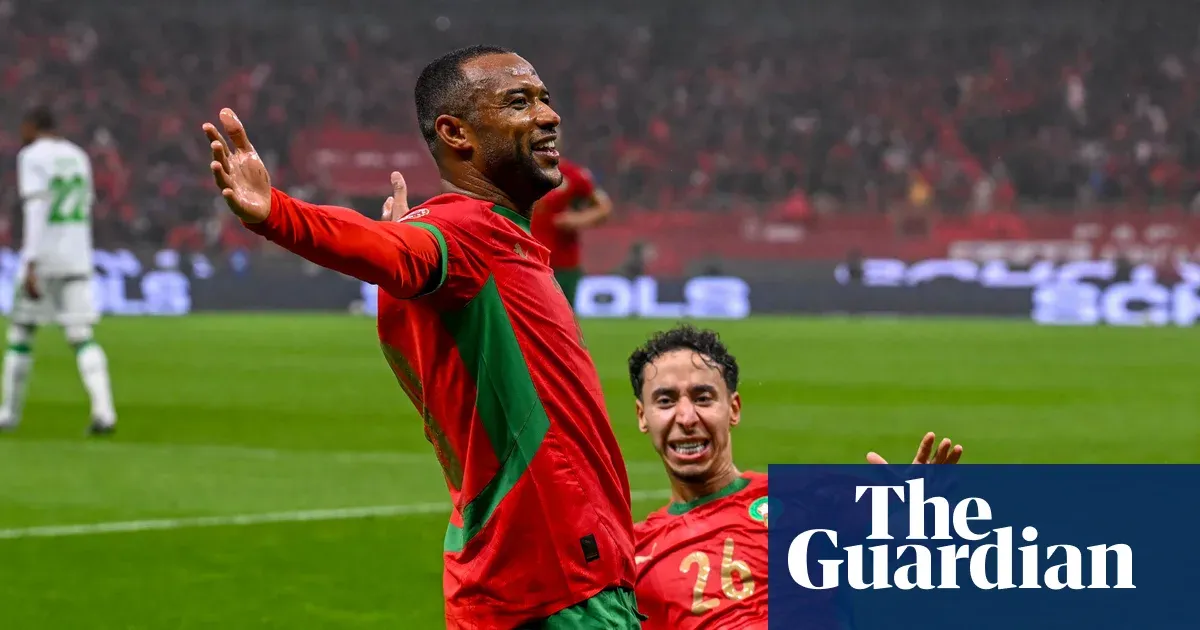
Ten years after its abrupt withdrawal from hosting the 2015 Africa Cup of Nations amid Ebola fears — a decision that forced the Confederation of African Football to relocate the tournament to Equatorial Guinea with less than 90 days' notice — Morocco has re-emerged as a central organiser of major African and global football events.
Hicham El Amrani, then Caf general secretary, said at the time: “The pressure I was under can only be imagined, as I was pulled in different directions. It is a time I would like to forget.” The withdrawal led to Morocco’s ban from the next two Afcons and punitive fines from Caf, which were later overturned at the Court of Arbitration for Sport.
Those sanctions now seem a distant memory. Morocco is hosting the ongoing Africa Cup of Nations, staged the past two women’s Afcons in 2022 and this year, will host another Wafcon in March–April 2026, and is due to co-host the 2030 men’s World Cup, primarily with Portugal and Spain.
Amine El Amri, head of sport at Le360, said hosting a World Cup “engages every Moroccan in a common dream”, acknowledging the costs while stressing the potential boost to infrastructure in a young, demanding society. Omar Khyari of the Royal Moroccan Football Federation said forging closer cultural, economic and diplomatic ties with the rest of Africa was a 2017 policy decision of King Mohammed VI aimed at repairing relations after 2015.
Key Topics
Sports, United States, World, Football, Morocco, Afcon, World Cup