
NASA hypersonics research and the Vehicle Analysis Branch
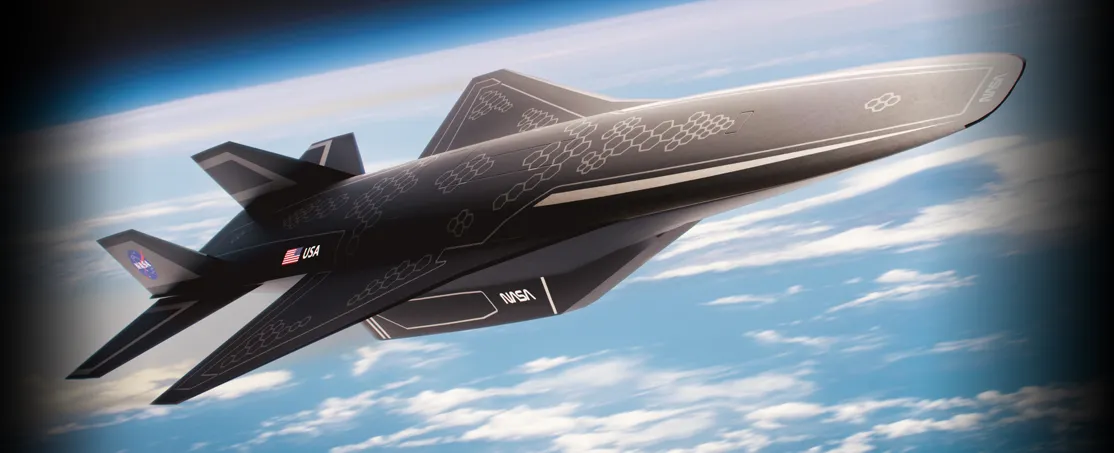
Hypersonics refers to flight through an atmosphere at speeds greater than Mach 5. NASA and its predecessor, the National Advisory Committee for Aeronautics, have studied hypersonic flight since the 1950s, drawing lessons from the X-15 program and manned orbital missions in the Mercury, Gemini and Apollo programs, as well as the Space Shuttle.
NASA investigated hypersonic airbreathing propulsion—ramjets and scramjets—alongside rocket-propelled vehicles. Plans to flight-test the Hypersonic Research Engine aboard a modified X-15 ended after a dummy HRE caused structural damage to its pylon on the X-15A-2; the engine was later tested successfully in ground facilities at NASA Langley to speeds up to Mach 7.
A cooperative test with the Russian Central Institute of Aviation Motors in February 1998 demonstrated a hydrogen-fueled axisymmetric scramjet on a modified SA-5, and the Hyper-X program's X-43A vehicles set airbreathing speed records in 2004 at Mach 7 and Mach 10 after an earlier 2001 flight was cut short.
Russia
hypersonics, scramjet, ramjet, nasa, x-15, x-43a, hyper-x, mach 10, airbreathing, space shuttle