
NASA selects Katalyst to raise Swift observatory’s orbit and extend mission life
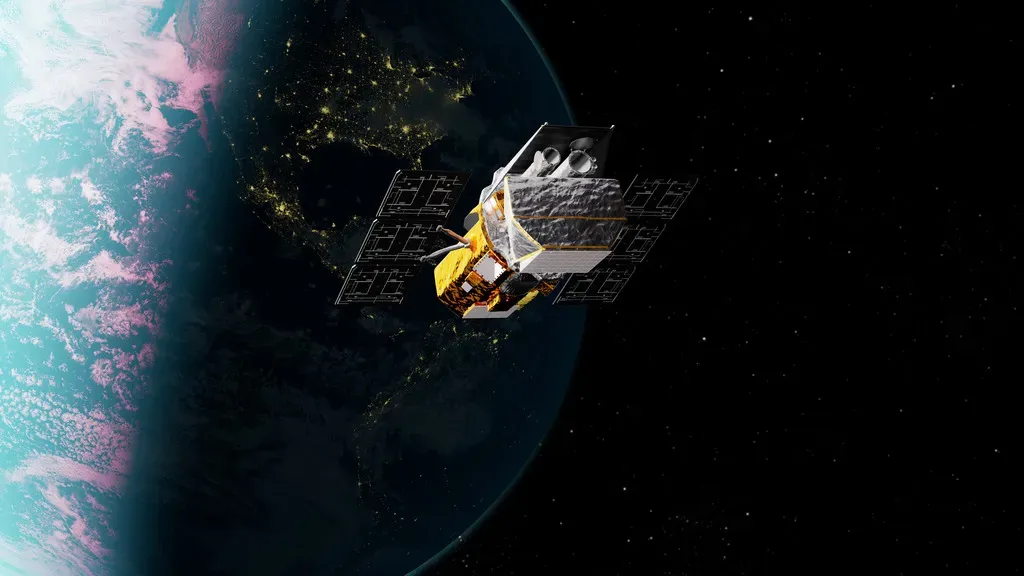
NASA has awarded Katalyst Space Technologies of Flagstaff, Arizona, a contract to rendezvous with the Neil Gehrels Swift Observatory and raise it to a higher altitude using a robotic servicing spacecraft, extending the mission’s science lifetime. Swift, launched in 2004 to study gamma-ray bursts and other high-energy phenomena, has been a lead asset in observing sudden cosmic events and coordinating follow-up observations by other missions.
The spacecraft’s low Earth orbit has been gradually decaying, and recent increases in solar activity have raised atmospheric drag and accelerated that decay. Rather than allow the observatory to reenter the atmosphere, NASA is using the situation to advance commercial spacecraft servicing capabilities.
The orbit boost is targeted for spring 2026, though NASA will continue to monitor solar activity that could affect the schedule. If successful, the operation would be the first time a commercial robotic spacecraft captures a government satellite that is uncrewed or was not originally designed to be serviced.
NASA awarded Katalyst $30 million under a Phase III Small Business Innovation Research (SBIR) award to move implementation forward on an accelerated timeline. NASA says this commercial-servicing approach is more affordable than replacing Swift’s capabilities with a new mission.
Key Topics
Science, Katalyst Space, Swift Observatory, Nasa, Sbir Program, Low Earth Orbit