
NATO trying to catch Russian subs in Arctic before they disappear
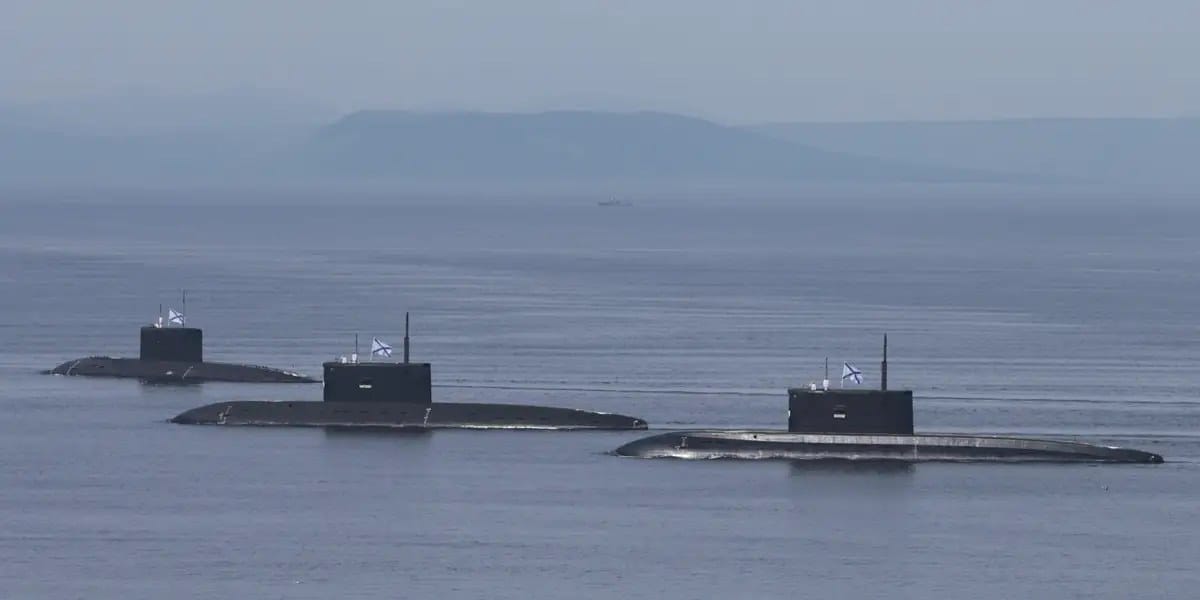
NATO has expanded its footprint across the Arctic and North Atlantic, increasing patrols and joint operations as Russia's submarine forces have grown more active. A central aim is to get eyes on Russian submarines as they leave Murmansk and before they can slip into deep Atlantic waters, where tracking becomes much more difficult.
Vice Adm. Rune Andersen said allied presence and overall activity in the region have more than doubled over the last two to three years, a surge he tied partly to increased Russian out-of-area submarine deployments. Russia maintains one of the world's largest submarine fleets, with an estimated 64 active boats, many operated by the Northern Fleet based in Murmansk.
Allies deploy frigates, submarines, helicopters, and patrol aircraft — including P-8 Poseidons — and have been investing in additional anti-submarine capabilities. European nations recently took part in NATO's Arctic Dolphin 26 exercise off Norway, with defence of the North Atlantic and the GIUK gap a priority.
Russia, Murmansk
nato, russian submarines, arctic, north atlantic, murmansk, northern fleet, p-8 poseidon, giuk gap, anti-submarine, arctic dolphin