
NERC says U.S. and Canadian grids are worsening and blackout risks will rise over five years
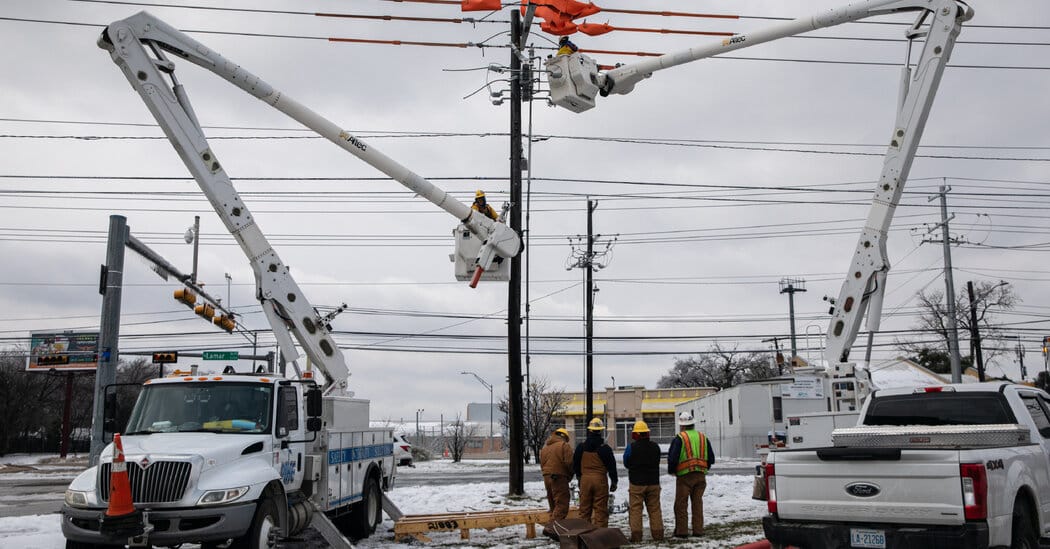
The North American Electric Reliability Corporation said in an assessment released Thursday that the reliability of the electric grids serving the United States and Canada is “worsening” and that tens of millions of people face a growing risk of blackouts over the next five years.
The report cites rapidly rising electricity demand — led in part by a boom in data centers — alongside the retirement of coal and gas plants and insufficient new generation. It identified areas of Texas, the upper Midwest, the Mid-Atlantic and the Pacific Northwest as most at risk in the next five years and warned that, in a worst-case scenario, shortages could cause life-threatening blackouts during intense heat waves or cold snaps.
The assessment invoked past events and recent storms in discussing those risks. It cited the 2021 Texas winter storm that left the state’s largely isolated grid short of power and caused extensive blackouts, during which more than 200 people died. The report also described how, during a recent winter storm, wind and solar were often producing little power in the coldest hours and operators relied heavily on coal, gas and nuclear plants.
The report appears amid a political debate over energy policy.
nerc assessment, grid reliability worsening, five-year blackout risk, data center boom, coal plant retirements, gas plant retirements, texas 2021 winter storm, wind and solar intermittency, battery storage role, bulk power system, pacific northwest risk, mid-atlantic risk