
Nerve damage, energy management, and Apple TV: F1 2026 starts
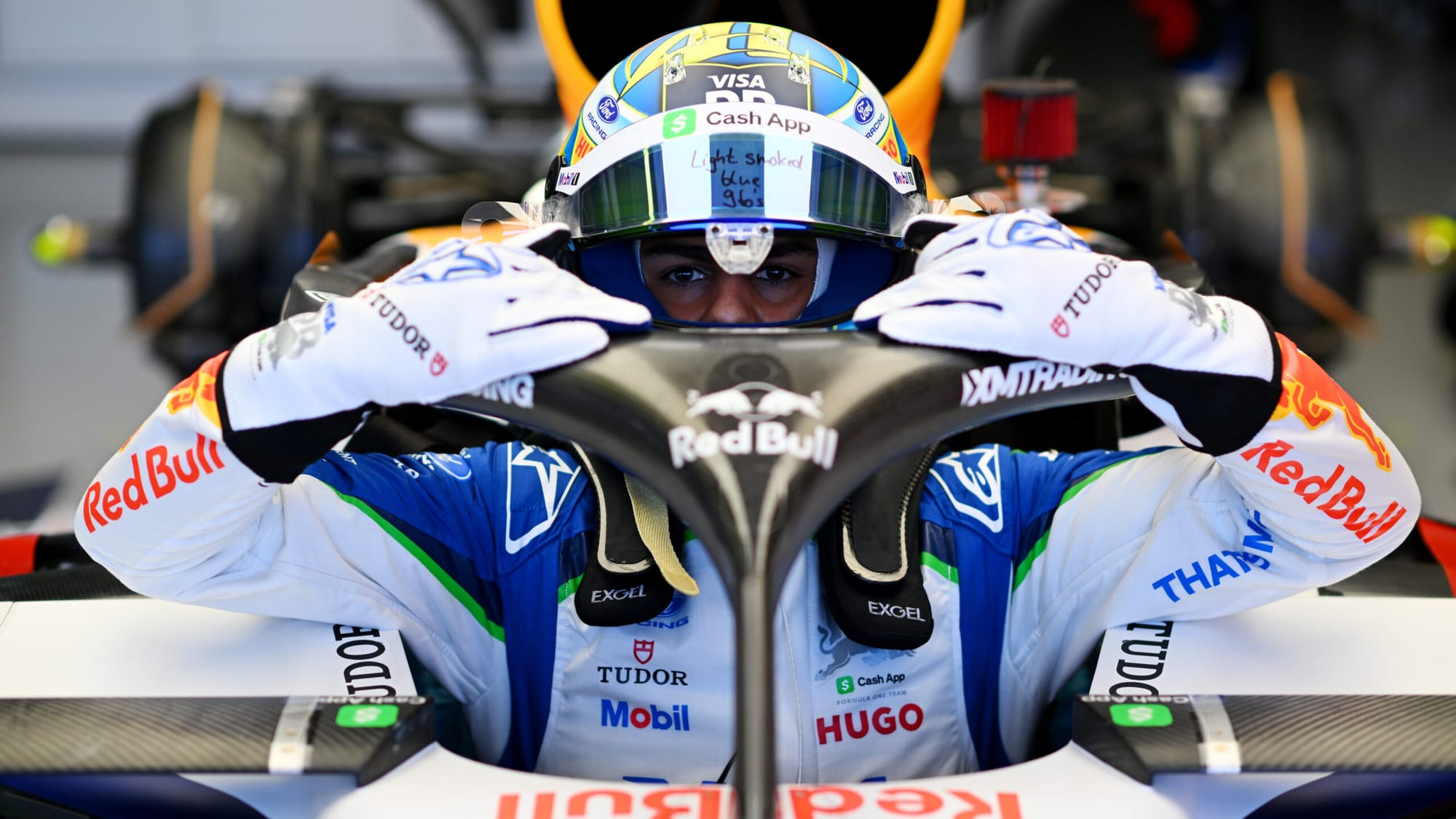
Practice for the first race of the year begins in Melbourne as the new 1.6 L V6 engines fire up, marking a comprehensive reset for F1 in 2026. The cars are smaller and lighter with different aerodynamic setups for corners and straights, the hybrid systems are more powerful and run on bespoke sustainable fuels, and the sport has moved its broadcast from ESPN to Apple under a $750 million deal.
The power units remain turbocharged 1.6 L V6s but the MGU-H has been removed and a much more powerful MGU-K sits between the engine and the transmission alongside a larger battery. Combustion engines now produce 400 kW with the MGU-K adding 350 kW; the 4 MJ (1.1 kWh) battery must be charged to reach the combined output, replenished by regen under braking and by siphoning power from the V6 via “superclipping.” Each lap allows up to 8.5 MJ (2.36 kWh) to be deployed, so drivers are being asked to manage energy carefully rather than simply drive flat out.
“As a pure driver, I enjoy driving flat out,” Max Verstappen said.
f1 2026, melbourne, 1.6l v6, mgu-k, mgu-h, superclipping, sustainable fuels, apple tv, espn, energy management