
New Foldable Formats and Rumors Set Stage for Broader Choice in 2026
Foldable phones are entering 2026 with a wider set of designs and growing market momentum. After six years on the market, manufacturers have refined hinges, displays and batteries, and analysts are forecasting the category’s first sustained double-digit growth.
Market research firm IDC reported in December that global foldable phone shipments were expected to increase 10% in 2025 compared with 2024. IDC also projected a further 30% year-on-year rise in 2026, a jump analysts connected in part to persistent rumors of an Apple foldable device.
At the same time, market dynamics vary sharply by region. According to IDC data cited by MyDrivers, Huawei held a dominant position in China’s foldable segment in the third quarter of 2025, with a 68.9% market share. That level of concentration is notable in a category that now counts several competitors, including Samsung, Oppo, Vivo, Xiaomi and others.
Manufacturers are exploring four distinct foldable formats that are expected to be common in 2026: compact flip phones, book-style devices, trifolds and wider-aspect foldables. Each design targets different user needs, from pocketability to productivity and media consumption.
- Flip phones: Clamshell or flip-style models remain focused on pocketability without sacrificing screen size. Current examples include Samsung’s Galaxy Z Flip 7 and Motorola’s Razr lineup. These devices typically open to displays comparable to conventional slab phones, giving users a compact closed form and a larger internal display when opened.
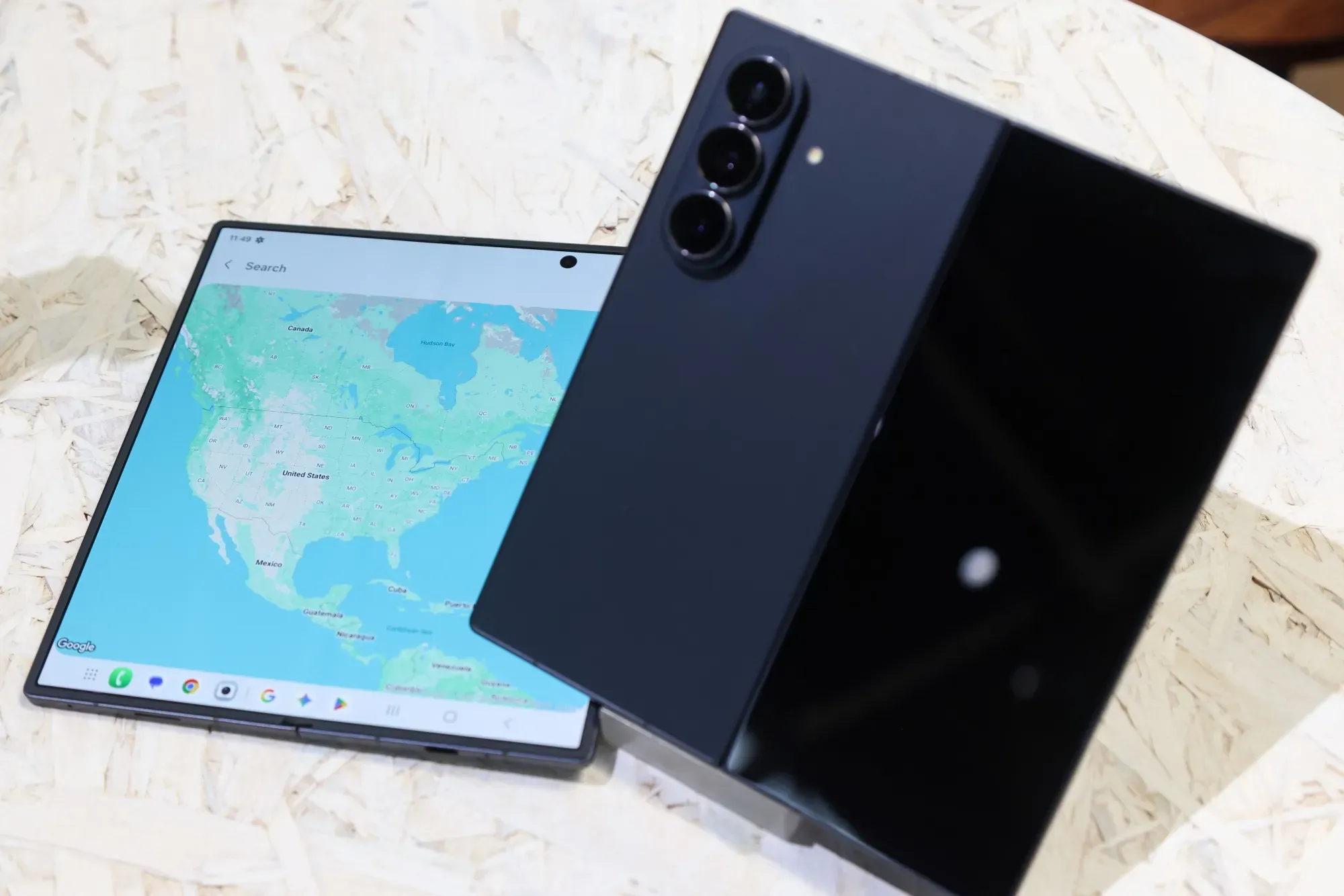
- Book-style foldables: These devices unfold into a mini-tablet form factor. Recent models include Samsung’s Galaxy Z Fold 7, Google’s Pixel 10 Pro Fold, Oppo’s Find N5, Honor’s Magic V5 and Huawei’s Mate X7, which launched in December 2025. Improvements in battery chemistry—specifically silicon-carbon anode batteries—and hinge mechanics have reduced crease depth and overall thickness, bringing book-style foldables closer to the feel of traditional slab phones.
- Trifolds: Trifold designs aim to combine phone portability with expanded tablet-like screens. Notable examples are the Samsung Galaxy Z TriFold and the Huawei Mate XT. Trifolds differ in hinge architecture: Samsung’s model folds both hinges in the same direction to form a C-shaped profile, while the Huawei Mate XT folds hinges in opposite directions to create a Z-shaped device. Huawei’s implementation is described as enabling use as a phone, a mini tablet and a wide 16:11 tablet. Samsung’s approach emphasizes a wider, 10-inch tablet experience for productivity and media.
- Widescreen foldables: Devices with wider inner screens are emerging as an intermediate option between flip and book designs. The Huawei Pura X exemplifies this class with a 6.3-inch inner display at a 16:10 aspect ratio, reducing letterboxing for 16:9 video and providing a larger cover screen for camera preview without the bulk of book-style foldables. Earlier models such as the first-generation Oppo Find N and the original Google Pixel Fold had comparatively squarer internal displays.
Beyond the devices already on sale, industry reports and rumors indicate more formats could appear in 2026. Apple is repeatedly rumored to be developing a foldable iPhone, sometimes described as a passport-size foldable and at other times reported to emphasize a wider cover screen. Samsung is reportedly working on a so-called "Wide Fold" with a 4:3 inner screen and a 5.4-inch cover display, and ETnews reported that this device could support 25-watt wireless charging.
If Samsung were to launch a Wide Fold alongside next-generation Galaxy Z Fold and Flip models—reports have suggested a possible July 2026 window—it could precede a later launch from Apple, which industry speculation places in the fall. These timelines are based on reports and rumors rather than confirmed manufacturer announcements.
Manufacturers and analysts acknowledge that many of the newer foldable forms will remain premium products. Trifold and wide-aspect models, in particular, are likely to carry higher price points due to complexity and the technologies involved. Nevertheless, the variety of form factors is widening consumer choice in a market long dominated by the rectangular slab phone.
Improvements in hinge engineering and battery design are helping make foldables thinner and reduce visible creasing, addressing two frequent criticisms of earlier devices. The expanding range of formats means consumers can select devices optimized for compactness, media, productivity or a blend of those capabilities.
As 2026 begins, the foldable segment is positioned to broaden beyond early adopters and niche users. With multiple manufacturers offering distinct approaches—and with major brands reportedly preparing new entries—the coming year looks set to deliver clearer differentiation in design and more choice for buyers considering alternatives to conventional smartphones.
Key Topics
Foldable Phones, Foldable Phone Market Growth, Book-style Foldables, Flip Phones, Trifold Phones, Widescreen Foldables, Foldable Form Factors 2026, Apple Foldable Rumors, Huawei Foldable Market Share, Samsung Wide Fold, Silicon-carbon Anode Batteries, Hinge Engineering, Samsung Galaxy Z Flip 7, Huawei Mate X7, Google Pixel Fold