
New music-theatre piece at St Martin-in-the-Fields examines Carlo Gesualdo
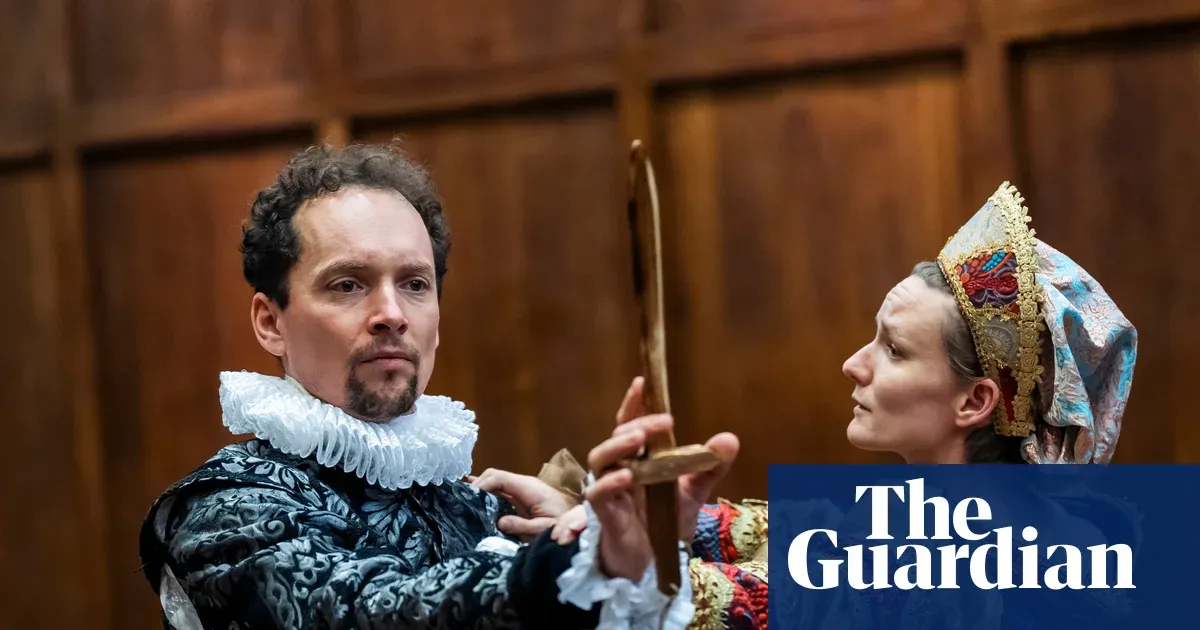
A new music-theatre work, Death of Gesualdo, opens next week at St Martin-in-the-Fields in London as part of the church’s 300th anniversary, the writer says. The production features the vocal ensemble the Gesualdo Six and aims to confront the relationship between the composer’s music and his crimes.
Carlo Gesualdo (1566–1613) is known both for sombre, highly chromatic madrigals and for the premeditated double murder of his wife and her lover in 1590; their mutilated bodies were publicly displayed on the palazzo steps for several days, the piece notes. Two decades later he retreated to his estate, where reports describe ritualised self-punishment, servants beating him thrice daily, and domestic accusations of witchcraft elicited under torture.
His later Tenebrae Responsoria of 1611 is described in the piece as an apparent self-requiem. The writer says St Martin-in-the-Fields commissioned the work and that the production maps Gesualdo’s tortured harmonies onto episodes from his life, connecting musical textures with a descent into psychosis.
The article records the writer’s view that art is often separable from the artist and argues that erasing art is the wrong lesson from the 2020s, while acknowledging a musicologist’s caution that calling him a “psychopathic composer” is irresponsible.
Key Topics
Culture, Carlo Gesualdo, Gesualdo Six, Tenebrae Responsoria, Madrigals