
A New Year’s Brief: From Twixtmas to Conversation Pits and World Introvert Day
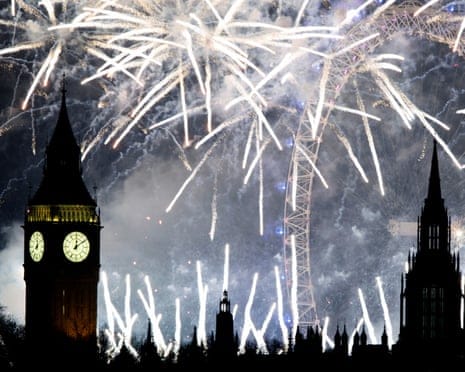
An essay reflecting on the turn of the year ranges across retail experiments, linguistic pet peeves, interior design nostalgia and a defence of solitary celebration.
The writer begins by revisiting a linguistic slip from the previous year and uses it to set the tone for an observational week of New Year commentary. A previously published seasonal joke — an invented term intended as a festive salutation — was incorrectly remembered, prompting a brief note of contrition and a short etymological aside on a vulgar colloquialism and its origin as a descriptor for a part of the body that is neither front nor back.
Attention then turns to the between-Christmas-and-New-Year period, commonly referred to in the piece as Twixtmas. The author argues that, in polite usage, Twixtmas is the correct form: it denotes the period "between time," and any association with seasonal confectionery is incidental rather than linguistic justification to favour an alternative rendering tied to a confectionery brand.
Retail and membership models are a focal point of the week’s entries. The writer highlights a recent development at a well-known department store, where the chain formally adopted a members’ model in practice and then introduced a members’ lounge on a trial basis in its flagship Oxford Street outlet.
The trial lounge invites customers to bring two guests, offers complimentary refreshments including chocolates from the supermarket arm and light bites from an in-store café operator, and positions the space as a place of respite for those who seek a quieter alternative to crowded high streets and ambient music in public hospitality venues. The writer describes the opening as a sign of the store’s implicit club-like qualities made explicit, and expresses a wish for such lounges to become a broader high-street feature.
Personal habits around New Year’s Eve are described in the piece as a deliberate rejection of conventional celebration. The writer explains a decades-long practice of remaining at home on New Year’s Eve, sometimes for a quarter of a century, in favour of a quiet evening with smoked salmon, champagne and books. The night is presented as an opportunity to embrace the "joy of missing out," a restorative choice contrasted with more exuberant social options.
Resolutions in the essay take an outward-looking and somewhat whimsical form. Rather than committing to personal self-improvement, the writer proposes modest changes for the wider world. Chief among these is a plea for the return of sunken living rooms, known in 1970s parlance as "conversation pits." The author frames these architectural features as cosy and civilised, a way to refresh interior design without major upheaval.
Another proposal is linguistic standardisation: the writer urges clarification in the usage of "either" and "each." The argument presented is prescriptive. According to the writer’s instruction, "either" should be used to indicate a choice between alternatives, while "each" should denote distribution across individuals or items. An example is given to illustrate perceived misuse: the sentence "There was a tree either side of the road" is judged to be incorrect and would, in the writer’s view, be better rendered using "each."
The week closes with an endorsement of World Introvert Day, observed on January 2. The writer describes this date as particularly welcome after the pressures of the festive season and presents it as a sanctioned opportunity to retreat and adopt solitude. The essay includes a small domestic vignette: the writer plans to remain at home, while arranging for family members to spend the day outside the house, and offers a succinct personal explanation that the preference for solitude is not a rejection of family but a need for distance.
Across the week’s observations, several themes recur: a preference for quieter public and private spaces; a desire for modest, tangible enhancements to everyday life; and a concern for linguistic precision. The piece juxtaposes practical retail and design wishes with personal rituals and language critiques, framing them as achievable New Year resolutions on a scale smaller than grand political aims yet meaningful in daily life.
While the tone of the entries is reflective and often wry, the author’s suggestions — from expanded retail lounges to revival of conversation pits and clarified grammar — are presented as practical, incremental changes that could be embraced without sweeping societal reform. The piece functions as a personal briefing for the new year: a mixture of cultural commentary, retail observation and private preference offered to readers as modest proposals for 2026.
Key Topics
Twixtmas, Between Christmas And New Year, Department Store Membership Model, Members' Lounge On Oxford Street, High Street Retail Lounges, Quiet Public And Private Spaces, Solitary New Year's Eve, Joy Of Missing Out, Conversation Pits Revival, Sunken Living Rooms, Either Vs Each Usage, Linguistic Pet Peeves, World Introvert Day, Retail Trial Memberships, Small-scale New Year Resolutions 2026