
At Ningbo’s port, booming exports contrast with local housing collapse
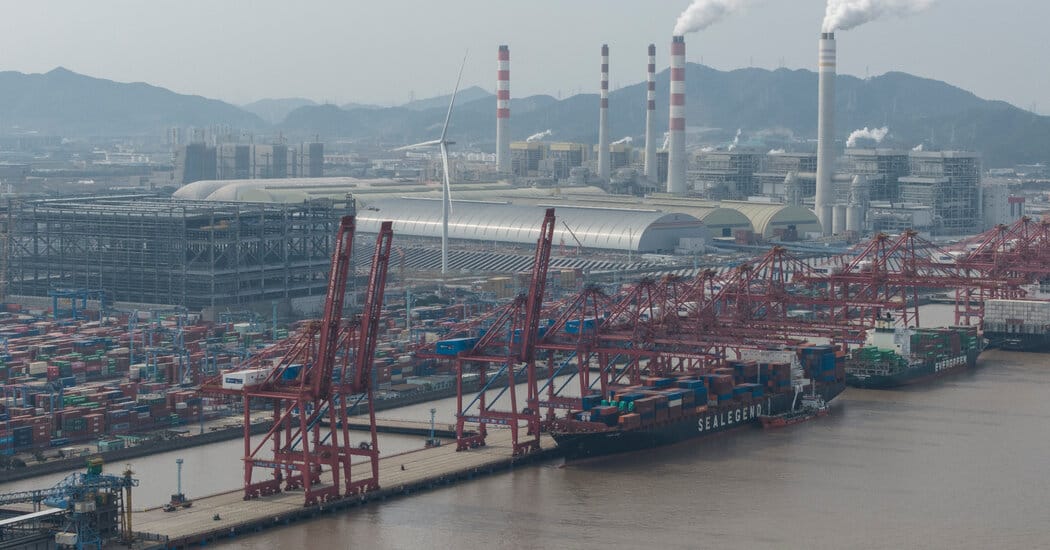
Jan. 29, 2026 — In Ningbo, a two-hour drive south of Shanghai, the city’s vast port and export factories are bustling while local merchants and residents report severe economic strain, The New York Times reports. The port handles about 150,000 ships a year and is the world’s largest by cargo tonnage, with tankers and bulk carriers unloading oil and grain and departing vessels filled with manufactured goods, including rising car exports.
The port and factories helped power China’s record trade surplus last year. Yet several miles upriver the Old Bund historic district and nearby neighborhoods show a different reality: housing prices have collapsed, construction has stalled, and restored galleries, restaurants and bars were largely deserted on recent evenings.
Sales tumbled at a construction materials market, where one toilet store’s sales were down by a third, a plumbing supplies outlet fell 70 percent and a door seller’s business plunged 80 percent. Local government data show investment in fixed assets unexpectedly fell 1.4 percent in 2024 and “plummeted 21.4 percent last year,” according to the Ningbo Municipal Bureau of Statistics.
The city’s spending dropped 5.6 percent last year after boom-year increases of 11 to 13 percent annually.
ningbo port exports, 150,000 ships a year, world largest cargo tonnage, record trade surplus, export factories ningbo, car export growth, geely zeekr factory, electric vehicle exports, manufacturing automation ningbo, overcapacity and tariffs, president trump tariffs, ningbo housing prices, old bund historic district, yong river ningbo, construction materials market, toilet store sales drop, plumbing supplies slump, door seller business plunge, fixed-asset investment decline, municipal spending cuts, tang feifan remarks, consumption potential unmet, restored galleries empty