
Christopher Nolan's best sci-fi movie is now more influential than 2001
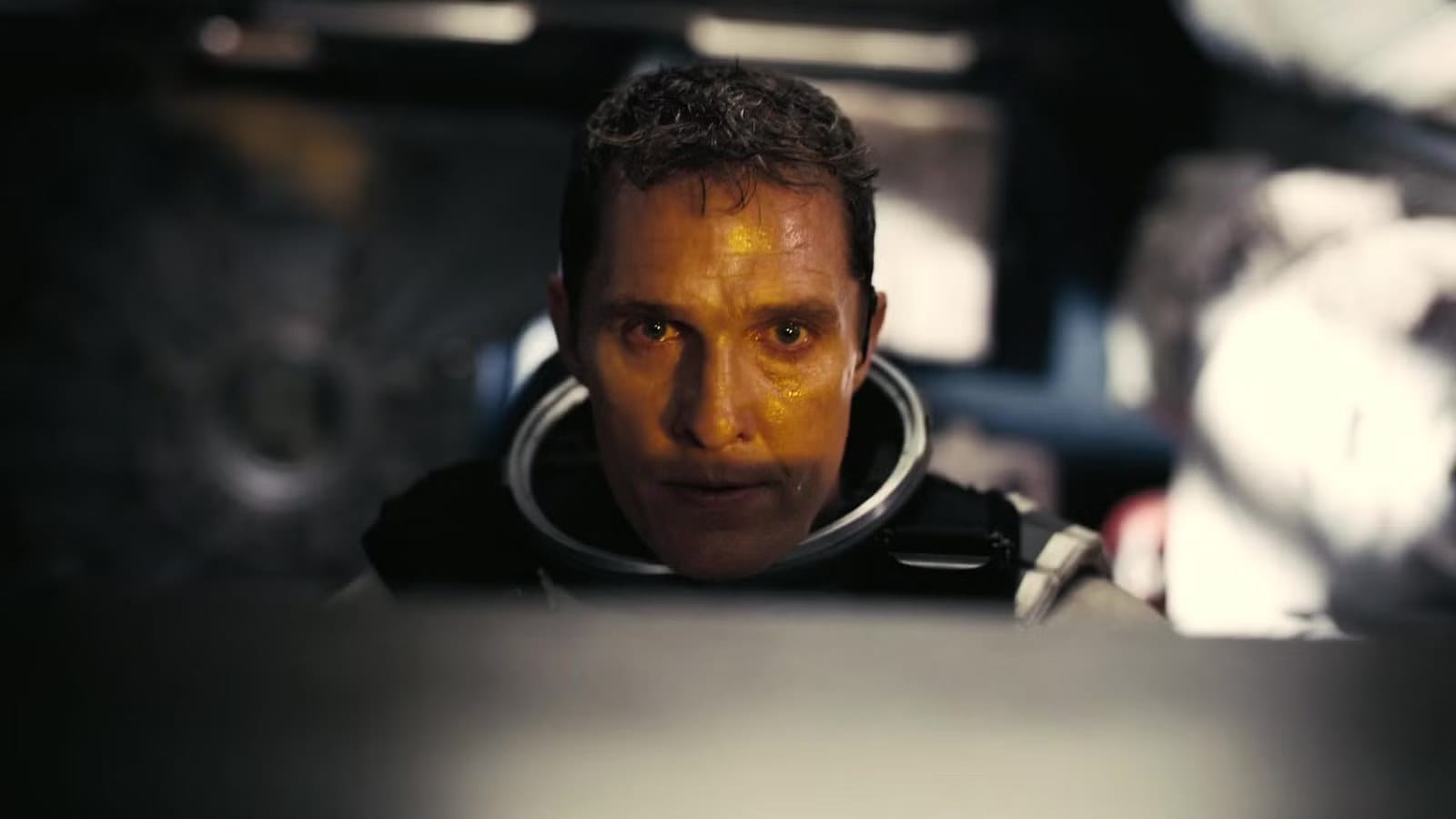
Christopher Nolan’s Interstellar, a 2014 theatrical hit, has grown into one of the most influential science-fiction films of the last decade. In 2026 its blend of modern and classic filmmaking — where computer graphics and practical techniques are made to feel like a single, tangible reality — has become a new standard for space movies, one that filmmakers such as the team behind Project Hail Mary are clearly trying to match.
Nolan drew on Stanley Kubrick’s 2001 for inspiration, but he set out to emphasize the real. Working with physicist Kip Thorne and cinematographer Hoyte van Hoytema, the production relied on large miniatures filmed in VistaVision, projection of space imagery outside cockpit windows, and lighting adjusted in real time so reflections and illumination behaved naturally.
Van Hoytema said they “didn’t want to be unnecessarily lyrical or poetic,” aiming instead for a “matter of fact” look; the result included memorable creations such as the robots TARS and CASE.
christopher nolan, interstellar, 2001, stanley kubrick, hail mary, tars, case, kip thorne, van hoytema, practical effects