
Noodlefish and icefish lost red blood cell function by different evolutionary routes
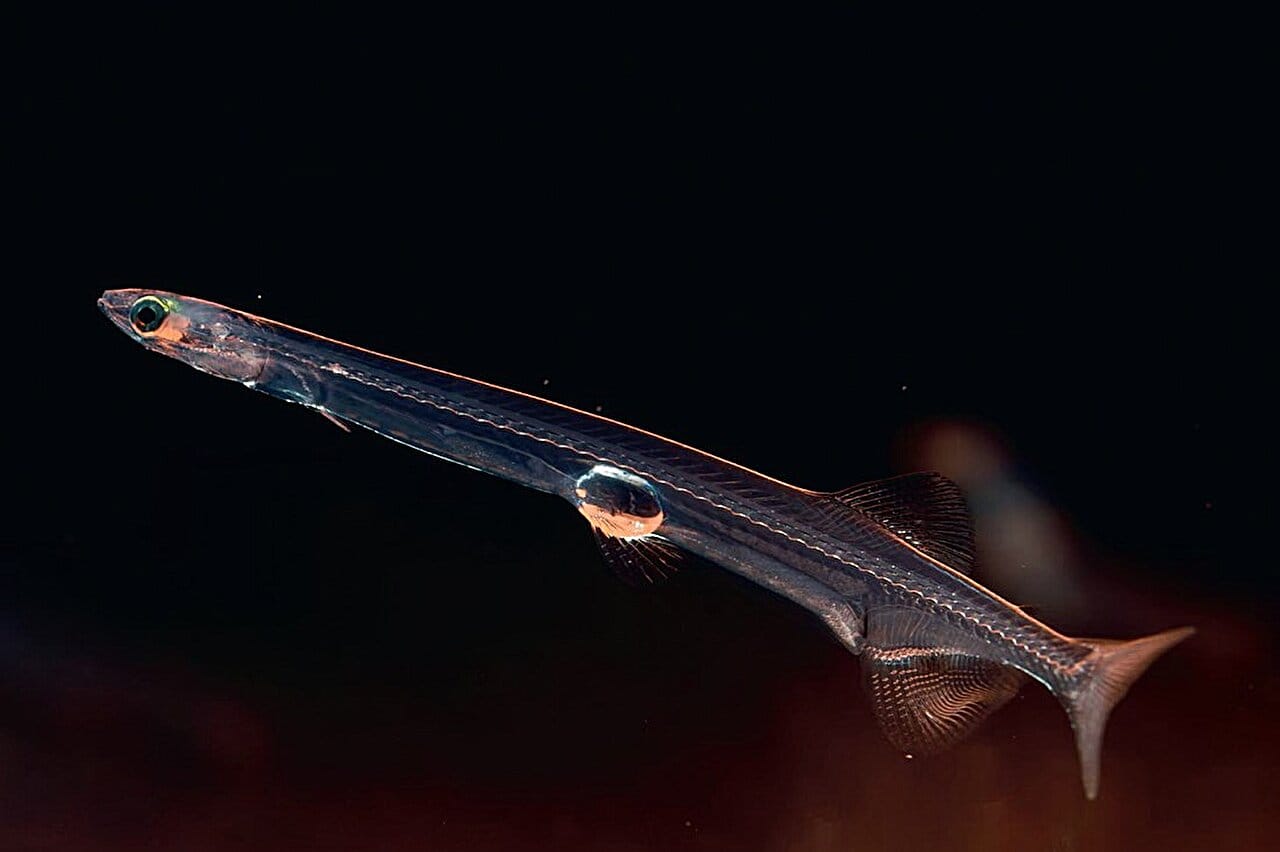
Researchers report that warm-water Asian noodlefish, like Antarctic icefish, lack hemoglobin and red blood cells, but arrived at that condition by different evolutionary paths. H. William Detrich, professor emeritus at Northeastern University, collaborated with Chinese scientists on a Current Biology paper examining the two groups' genomes and blood chemistry.
Detrich's lab previously showed Antarctic icefish lost the ability to produce red blood cells through deletions of hemoglobin genes over millions of years. In the cold, oxygen-rich Southern Ocean, icefish can rely on oxygen dissolved in seawater instead of hemoglobin to carry oxygen to tissues.
The Asian noodlefish live in much warmer coastal and river waters across East Asia and Vietnam, so the same cold-water explanation does not apply. "They live in a very different environment," Detrich said. Chinese collaborator Jinxian Liu and colleagues investigated whether noodlefishes followed a similar evolutionary path.
They found all 12 noodlefish species lost the myoglobin gene in a single event in their most recent common ancestor. Their hemoglobin genes carry smaller mutations that render them nonfunctional rather than being completely deleted as in icefish. The noodlefish's short, roughly one-year lifespan and retention of juvenile features help explain the change.
Key Topics
Science, Asian Noodlefish, Antarctic Icefish, Hemoglobin Genes, Myoglobin Gene, H. William Detrich