
Norway’s Centuries-Long Watch on the Northern Lights
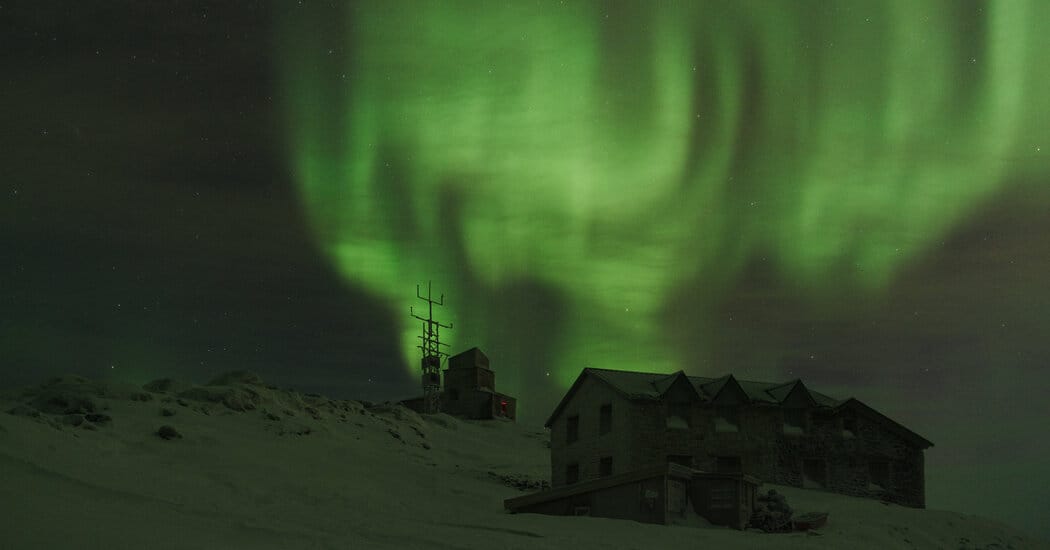
Perched atop Mount Halde, a small stone building erected in 1899 by Kristian Birkeland became the world’s first permanent northern lights observatory and a base for early 20th-century study of the aurora. Norway has long been seen as the birthplace of auroral research; as the Danish writer Erik Johan Jessen wrote in 1763, in Norway “the northern lights in great measurement have their home.” Living on the windswept Halde was arduous, and in 1926 research shifted west to Tromso, where scientists continued to measure solar events and Earth’s magnetic field.
Birkeland tested his theories in the lab with a terrella and, from Halde, estimated auroras to occur about 50 to 300 miles high; the observatory was destroyed in World War II and restored beginning in the 1980s. “History lives on our premises,” said Hakon Haldorsen of the Friends of Haldetoppen.
At the Auroral Observatory in Tromso, researchers cataloged hundreds of aurora colors and forms — arcs, curtains and coronas — and built decades-long magnetic records.
Norway, Tromso
northern lights, aurora, kristian birkeland, mount halde, haldetoppen, tromso, terrella, auroral observatory, magnetic field, aurora colors