
From Nostalgic Breakout to Franchise Fatigue: The Evolution of Stranger Things
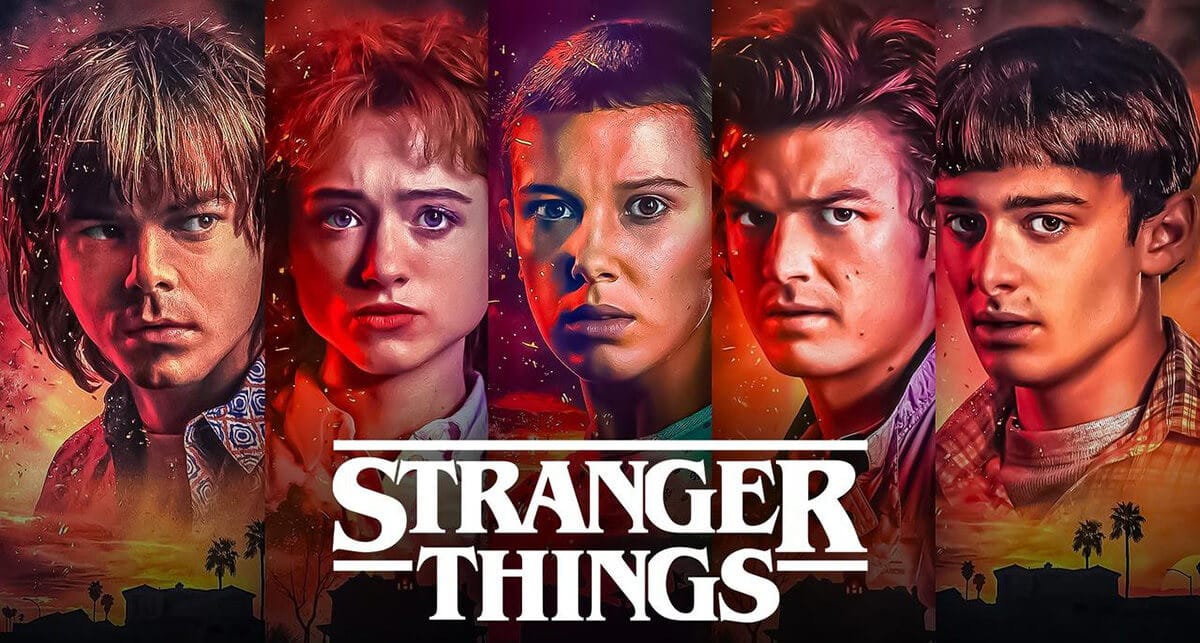
When Netflix premiered Stranger Things in the summer of 2016, the series landed as a compact, well-crafted pastiche of 1980s pop culture that quickly became the streaming service’s first homegrown mega-franchise.
Created by Matt and Ross Duffer and anchored by Winona Ryder, the show combined a nostalgic setting, a cast of appealing young actors, and familiar influences from Stephen King, John Carpenter and Steven Spielberg. The premiere episode’s tight pacing — tracing roughly 24 hours in a small Indiana town following the disappearance of a boy named Will Byers and the arrival of a mysterious girl known as Eleven — established Hawkins as a vivid, watchable world and set up a clear, bingeable narrative across eight episodes.
Early praise for the series rested on several strengths. Cinematography and production design evoked an analog past. The show introduced a wide cast while developing interpersonal detail: the boys’ outsider status, social stigma around a working-class single-parent household, and the prickly chemistry between a grieving police chief and a worried mother. Season 1 resolved its central mystery while giving viewers reason to care about the characters.
But the show’s success also positioned it as a strategic asset in a fast-evolving streaming landscape. As Disney+ and HBO Max entered the market with extensive studio libraries, Netflix needed marquee originals and franchises to compete. Stranger Things fit that role and quickly expanded beyond television into podcasts, video games, merchandise and stage productions. Spin-offs and additional projects were announced, including an animated spinoff scheduled for release.
Expansion changed the show’s narrative priorities. When the Duffers returned for Season 2, the series felt larger in scope and budget. Season 3 moved the story into a mall setting and leaned into commercial tie-ins. The cast matured and the series added performers with stronger skills, but each season also broadened the story world and multiplied plot lines.
Season 4, released in 2022 after a prolonged hiatus, marked a deeper shift. Netflix split its release, debuting most episodes in May and holding the final installments for July. Episode runtimes grew dramatically, culminating in a 142-minute finale. The storyline fractured geographically and tonally: some characters relocated to California while others were stranded in a Soviet-era subplot. Critics and viewers found the season’s pacing uneven, with extended sequences and repeated exposition that stretched narrative momentum.
The fifth and final season has underscored the series’ shift from compact storytelling to franchise-scale spectacle. Its rollout — four episodes the day before Thanksgiving, three on Christmas, and a two-hour finale scheduled for New Year’s Eve — reflects a departure from the original binge-friendly format. In early segments of the final season, the show returns to Hawkins, now physically fragmented and occupied by the military, as the ensemble prepares for a climactic confrontation with an antagonistic figure introduced in Season 4.
Critiques of the final run center on several recurring issues. Episodes are long and, by some accounts, shapeless. Large ensembles require frequent check-ins, fragmenting focus. Plot developments often rely on repeated exposition — characters explain plans to one another, enact them and then recap for viewers who were not present. Action sequences alternate with extended explanatory passages, creating a sense of imbalance between spectacle and character development.
Observers note that these trends reflect a common pattern in tentpole franchises: narratives increasingly serve monetizable extensions and fan-service moments rather than the character-driven, risk-taking storytelling that defined the show’s initial appeal. The franchise model can reduce characters to archetypes maintained for broad appeal, limiting opportunities for nuanced development.
Comparisons with other genre shows highlight the difference. Buffy the Vampire Slayer, cited as a counterexample, sustained distinct character growth and tonal variety across many seasons, balancing large-scale confrontations with inventive departures in form and grounded portrayals of grief. By contrast, critics say Stranger Things has become more unidirectional and less willing to take narrative risks.
The series’ handling of personal arcs has drawn particular scrutiny. Long-delayed developments, such as a major character’s coming-out storyline, arrive late in the show’s run and, critics argue, are delivered in ways that lack specificity. In other cases, relationships are framed in shorthand; characters sometimes identify their bond as a product of their shared trauma rather than through more detailed emotional work.
Despite critical reservations, the series remains a major draw. Season 4 sits high on Netflix’s ranked list by hours viewed, and the first half of Season 5 reportedly broke viewership records. Millions are poised to watch the remaining episodes, even as conversations around the show increasingly focus on length, pacing and the effects of franchise expansion.
Stranger Things’ trajectory illustrates tensions at the center of modern streaming television: the push to scale beloved properties into multi-platform franchises can generate commercial success while eroding the narrative compactness and character specificity that initially attracted audiences. As the series approaches its conclusion, its legacy will likely be debated along those lines — as both an emblem of streaming-era franchise ambition and a reminder of the storytelling limits those ambitions can impose.
Key Topics
Stranger Things, Netflix Original Series, 1980s Pop Culture Pastiche, Matt And Ross Duffer, Winona Ryder, Hawkins, Indiana, Binge-friendly Format, Franchise Expansion, Spin-offs And Merchandise, Narrative Pacing Issues, Character Development Critiques, Tentpole Franchises, Season 4 Split Release, Season 5 Finale Rollout