
Scientists test ocean alkalinity in Gulf of Maine to study carbon removal
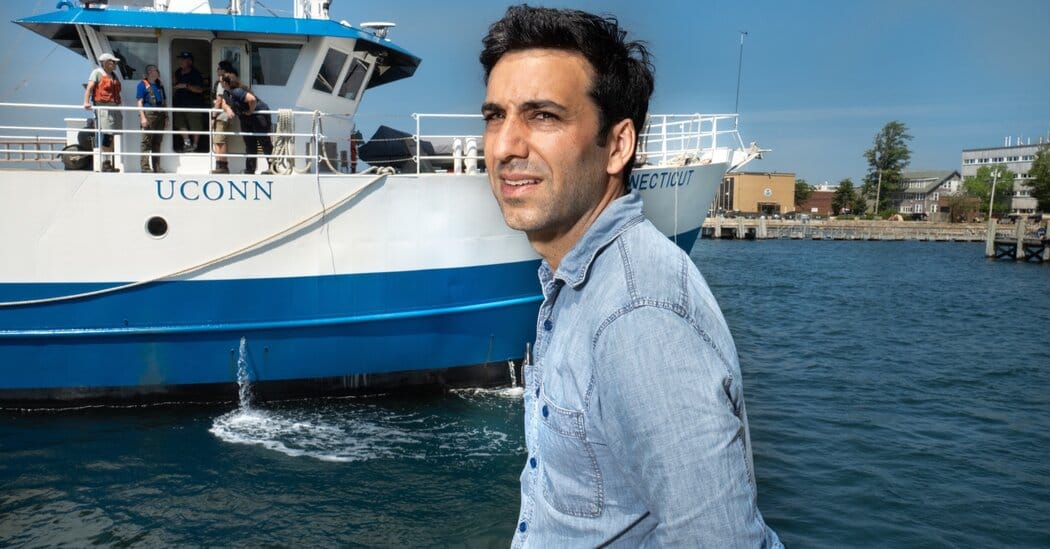
Researchers from the Woods Hole Oceanographic Institution led by Adam Subhas released a concentrated alkaline solution into the Gulf of Maine in mid‑August as part of a field experiment testing ocean alkalinity enhancement, a proposed method to counter ocean acidification and increase carbon uptake.
In the trial the team pumped about 16,200 gallons of sodium hydroxide mixed with a red dye into Wilkinson Basin, roughly 50 miles off Massachusetts, producing a crimson patch that at its largest covered about six miles and in parts raised surface pH from about 7.95 to 8.3. The research vessel continuously sampled the water and autonomous robots collected data as the team monitored the patch for five days before returning to Woods Hole to analyze results.
Ocean alkalinity enhancement aims to act like an "antacid for the sea," letting more carbon flow from the atmosphere into ocean storage. Experts interviewed in the story stressed that emissions cuts remain essential; they estimate global carbon removal needs of roughly seven to nine billion tons per year, and say alkalinity methods could remove between one and 15 billion tons but would demand vast mining, energy and infrastructure — in one estimate comparable to creating a second global cement industry.
Subhas said, "There’s no question that there was a flux. The big question now is, Can we quantify it?" The experiment and the wider field face safety and verification challenges.
Key Topics
Science, Adam Subhas, Woods Hole, Wilkinson Basin, Ocean Alkalinity Enhancement, Sodium Hydroxide