
OpenAI Overhauls Audio Strategy as Tech Industry Moves Toward Voice-First Interfaces
OpenAI has consolidated multiple engineering, product and research teams to accelerate work on audio capabilities, according to reporting by The Information. The reorganization is intended to overhaul the company’s audio models in preparation for an audio-first personal device that the company expects to launch in about a year.
The effort represents a broader industry pivot away from screen-centric products toward voice and audio-based interfaces. Companies across the technology sector are investing in hardware and software designed to make conversational audio a primary way people interact with devices, services and environments.
OpenAI’s planned audio model, reportedly scheduled for release in early 2026, is being developed to sound more natural and to behave more like a human conversational partner. The model is said to be able to handle interruptions and to speak while a user is talking — capabilities that current consumer voice systems lack. OpenAI is also reportedly considering a family of audio-first devices, which could include glasses or screenless smart speakers framed as companions rather than conventional tools.
The strategy follows a high-profile talent and asset acquisition within OpenAI’s hardware efforts. The company acquired the firm io in a transaction reported at $6.5 billion in May, bringing former Apple design chief Jony Ive into its hardware workstream. Ive has emphasized reducing device addiction and has framed audio-first design as a way to address issues he associates with past consumer gadgets.
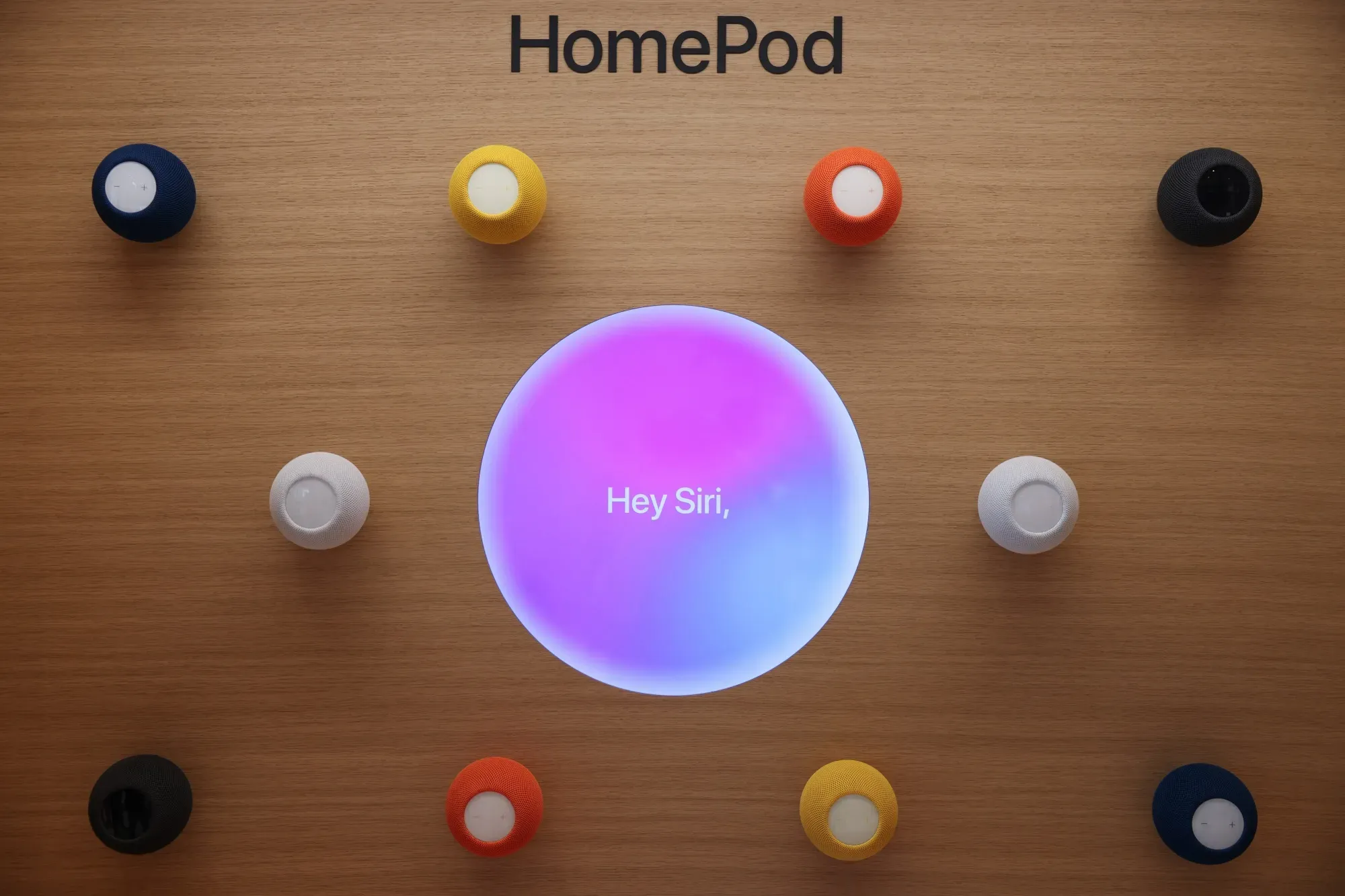
The shift toward audio is evident across large technology firms. Smart speakers are already a mainstream presence in homes, with voice assistants established as a common interface. Meta has rolled out a feature for its Ray-Ban smart glasses that uses a five-microphone array to help users hear conversations in noisy rooms, effectively turning the wearer’s face into a directional listening device.
Google has been experimenting with features that convert search results into spoken summaries, testing “Audio Overviews” as a way to provide conversational search results. In the automotive sector, Tesla is integrating xAI’s chatbot Grok into its vehicles, creating a conversational voice assistant intended to manage vehicle functions such as navigation and climate control via natural dialogue.
The momentum is not limited to major platform companies. Startups and smaller hardware firms are also pursuing audio-first concepts and screenless wearables, though with mixed outcomes.
- Humane’s AI Pin, a screenless wearable that aimed to replace or augment smartphones, became a high-profile example of a costly product bet that faced market and execution challenges; the company reportedly burned through hundreds of millions of dollars on the project.
- Friend AI’s pendant, marketed as a device that would record life events and provide companionship, generated privacy concerns and broader questions about social and ethical implications.
- Several companies, including Sandbar and a venture led by Eric Migicovsky, the founder of Pebble, are developing AI rings that aim to let users interact with assistants through wrist or finger-based devices. Those products are expected to begin appearing in 2026.
Proponents of audio-first design argue that voice and sound can make computing more ambient and less addictive than screen-driven interactions. Designers and some product leaders see an opportunity to rethink how people access information and services throughout their day — at home, in vehicles, and while wearing accessories such as glasses or jewelry.
Critics and privacy advocates, however, have raised concerns about the implications of pervasive listening and continuous recording. The notion of devices that constantly attend to ambient sound or record personal interactions has prompted debates about data collection, consent, surveillance risks and the social consequences of outsourcing memory and companionship to machines.
OpenAI’s approach — combining improved conversational audio models with dedicated hardware — highlights the company’s goal of moving beyond text and visual interfaces. In doing so, it joins a range of competitors and challengers that are redefining how people might interact with computing systems.
Whether audio-first devices become a mainstream replacement for screens or an additional layer of interaction remains an open question. For now, the industry’s renewed emphasis on voice points to a significant shift in product priorities and design thinking. OpenAI’s reorganization and upcoming model releases will be closely watched as indicators of how rapidly and effectively companies can deliver natural, interruptible conversational experiences at scale.
Key Topics
Openai Audio Reorganization, Audio-first Devices, Conversational Audio Models, Natural-sounding Voice Assistants, Interruptible Conversational Ai, Screenless Smart Speakers, Wearable Audio Technology, Companion Ai Devices, Jony Ive Io Acquisition, Privacy And Surveillance Concerns, Automotive Voice Assistants, Audio Overviews For Search, Ai Rings And Wearables