
Pedro Sanchez, soil scientist who expanded farming in poor countries, dies at 85
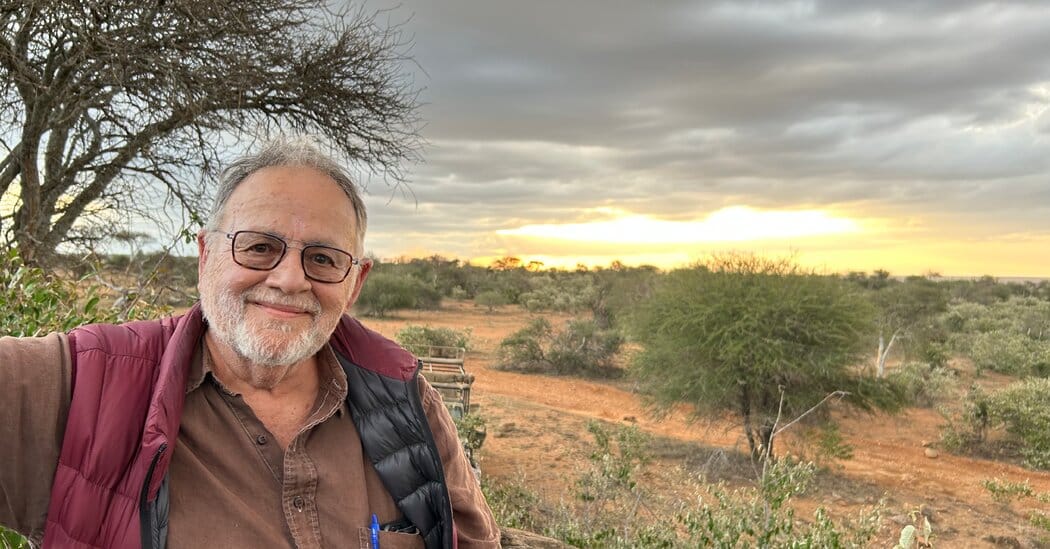
Pedro A. Sanchez, a soil scientist who helped raise crop yields for subsistence farmers in poor countries, especially in sub-Saharan Africa, died on Jan. 12 at his home in Falmouth, Mass. He was 85. The cause was end-stage dementia, his daughter Jennifer Goebel said. Dr. Sanchez was awarded the 2002 World Food Prize for “pioneering ways to restore fertility to some of the world’s poorest and most degraded soils,” the citation said, noting work that helped Peru become self-sufficient in rice, opened the Brazilian Cerrado to farming, and developed programs in Africa adopted by more than 250,000 subsistence farmers that increased yields up to fourfold.
As co-chair of the United Nations Task Force on Hunger, Dr. Sanchez helped persuade Secretary-General Kofi Annan to call for a new Green Revolution focused on Africa. He advised Malawi in 2005 to subsidize seeds and fertilizer for small farmers; the government provided hybrid seed and two bags of fertilizer at a 75 percent discount, and corn production rose fourfold in two years, allowing Malawi to become a food donor to neighboring countries despite objections from the World Bank and some foreign donors.
He also helped lead the Millennium Villages Project, offering subsidized fertilizer and seeds in roughly 80 demonstration villages.
Key Topics
Science, Pedro Sanchez, World Food Prize, Malawi, Cerrado, Millennium Villages