
Pentagon defends restrictions on reporters in New York Times lawsuit
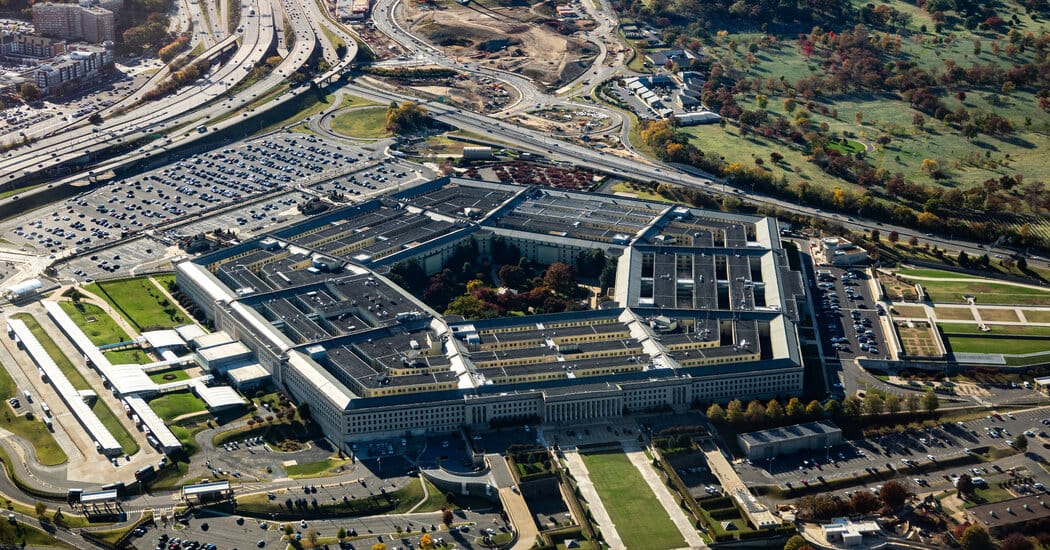
The Pentagon defended in a court filing on Jan. 31, 2026, the restrictions it imposed on media organizations in October, saying the rules were a reasonable effort to balance national security with media access. The filing was submitted in response to a lawsuit filed by The New York Times in December.
The department said the policy’s purpose “is to secure the Pentagon and stop activity that could compromise national security,” and that it outlines “explicit and clear standards for conduct.” The rules require reporters to sign a 21-page form that sets limits on journalistic activities, including requests for story tips and inquiries to Pentagon sources, and say reporters who do not comply can lose their press passes.
The restrictions replaced a far more streamlined set of rules. The Times argued in its complaint that the policy violated journalists’ First Amendment rights by curbing their ability to “ask questions of government employees and gather information,” and that it violated Fifth Amendment due process protections by giving the department “unfettered” discretion to revoke press credentials even for lawful newsgathering.
The newspaper asked the court to vacate the provisions targeting news gathering and reinstate the previous system. The filing came amid a broader rollback of access after Pete Hegseth became defense secretary: the paper notes he moved some major outlets out of the Pentagon work space and narrowed areas where journalists could go without an escort.
pentagon press restrictions, new york times lawsuit, press pass revocation, press credentials policy, 21-page form requirement, first amendment journalists, fifth amendment due process, pete hegseth changes, sean parnell statements, pentagon work space access, curtailed journalist access, pentagon press corps