
Physical AI spotlighted at CES as smartglasses and robots aim to act in the real world
Physical AI — AI implemented in hardware that perceives and acts in the physical world — was on full display at the Consumer Electronics Show (CES), with companies including Nvidia and Qualcomm among those presenting models and hardware to advance the field. Physical AI is defined in the source material as systems that can perceive the world, reason, and then perform or orchestrate actions; common examples include autonomous vehicles and robots.
Anshuman Saxena, VP and GM of automated driving and robotics at Qualcomm, said the distinction lies in a robot's ability to "reason, take action, and interact with the world around it," calling it "a chain of thoughts, a reasoning, a brain, which will work in a context and take some actions as humans would." Qualcomm executives said wearables are a key part of this ecosystem.
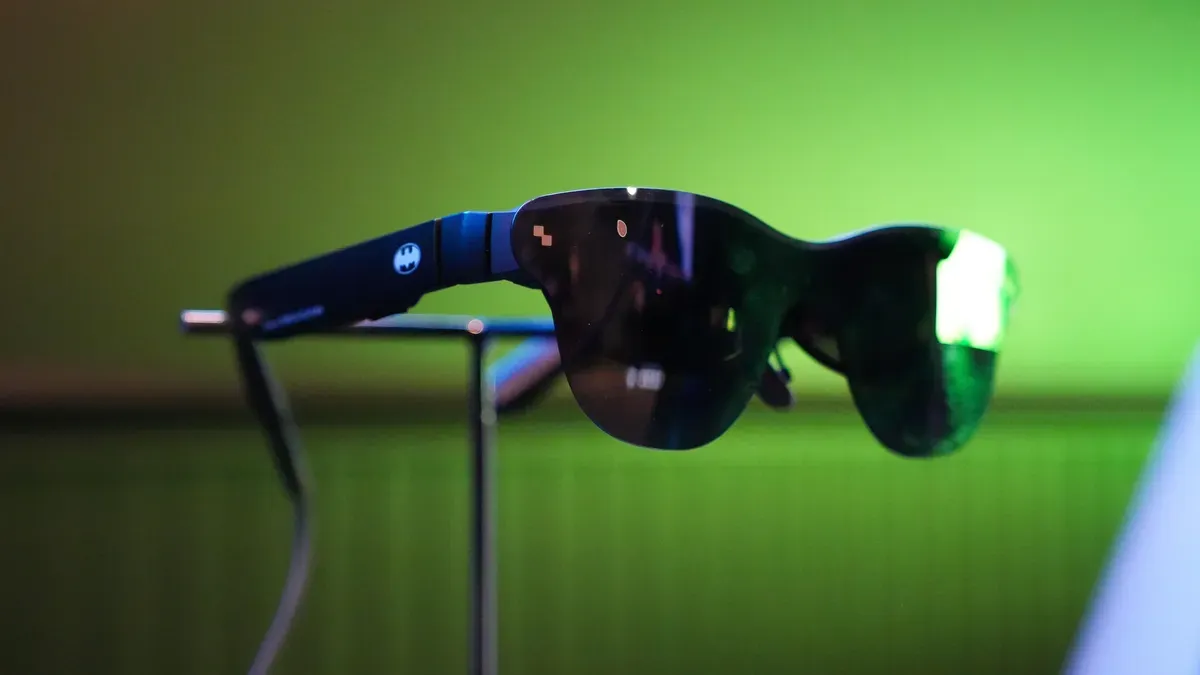
Ziad Asghar, SVP & general manager of XR, wearables, and personal AI at Qualcomm, said "Smartglasses are the best representation already of physical AI," noting they can see and hear what a user experiences. Saxena added that wearables could provide high-quality physical data to train robots, saying, "Why are LLMs so great?
Because there is a ton of data on the internet...
Key Topics
Tech, Physical Ai, Qualcomm, Nvidia, Smart Glasses, Ces