
Physical AI takes center stage at CES as wearables and robots converge
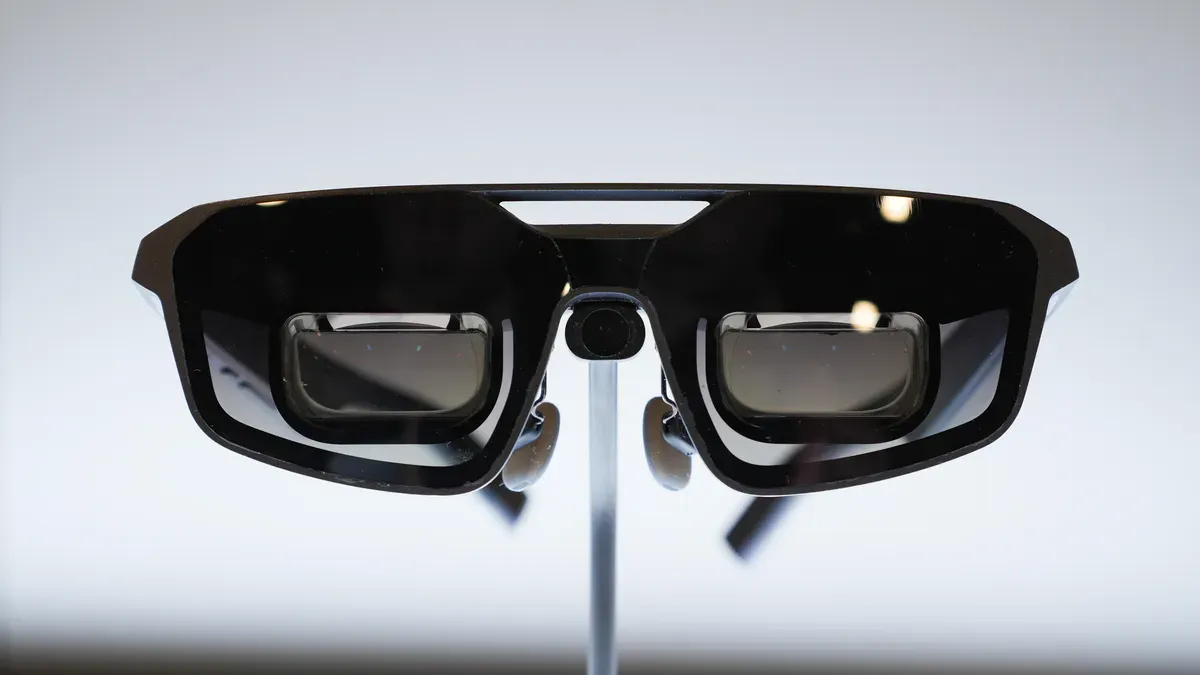
Physical AI emerged as a major theme at the Consumer Electronics Show, with companies including Nvidia and Qualcomm showcasing hardware and models aimed at letting machines perceive, reason and act in the real world. During Nvidia's keynote, CEO Jensen Huang said, "The ChatGPT moment for physical AI is here -- when machines begin to understand, reason, and act in the real world." The article defines physical AI as AI implemented in hardware that can perceive the world and then reason to perform or orchestrate actions, citing autonomous vehicles and robots as examples.
According to Anshuman Saxena of Qualcomm, the distinction lies in a robot's ability "to reason, take action, and interact with the world around it," while Ziad Asghar of Qualcomm called smartglasses "the best representation already of physical AI," saying they can see and hear what a wearer does.
A central challenge is the scarcity of real-world physical data for training, which has led companies to use synthetic simulations. Nvidia released models to create synthetic data and simulations, and Qualcomm introduced a Dragonwing IQ10 Series processor alongside tools for AI data collection and training at CES.
Key Topics
Tech, Physical Ai, Ces, Nvidia, Qualcomm, Smart Glasses