Pluribus Season 1 Finale Frames Love as a Moral Dilemma Between Intimacy and Humanity

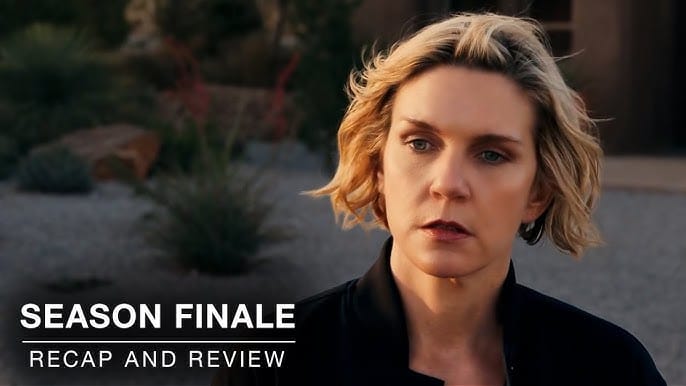
The season finale of Pluribus presents its central character with a stark moral choice: "Do you want to save the world or get the girl?" The question, posed by Manousos via a smartphone translation app that renders the speaker as an "Unknown Word or Name," crystallizes the series’ exploration of individuality, empathy and the ethical costs of attachment.
Pluribus, created in the narrative tradition associated with its showrunner, uses speculative science fiction to probe human motives. The episode juxtaposes an emerging global hive mind known as the Others with a small group of immune individuals who retain separate identities. The finale uses concentrated scenes and intimate confrontations to stage an allegory about how love and personal desire can conflict with obligations to the wider world.
The episode opens in a Peruvian mountain village, where Kusimayu becomes the focus of a carefully engineered Joining. According to the episode, the Others apparently used her stem cells to synthesize a virus and deliver a metal capsule that, when inhaled as a white vapor during a ceremonial gathering, integrates her into the collective. She responds with a beatific smile and proceeds to free livestock—a recurring visual motif in the season that signals the Others’ tendency to dissolve individual attachments.
That dissolution is given a quietly chilling detail: the baby goat Kusimayu once tended runs after her, bleating, while she walks away without responding. The image lingers as a counterpoint to the human dramas that drive the rest of the hour.
Meanwhile, in New Mexico, the two remaining known non-Joined humans converge. Carol Sturka, portrayed as the show’s reluctant protagonist, has been living on a cul-de-sac among the Others and developing a relationship with Zosia, who acts as her chaperone. Zosia’s presence has been a focal point of the season: she resembles an ideal lover for Carol and has been both an emotional anchor and a subject of instrumental scrutiny as Carol studies the Others’ habits and vulnerabilities.
Manousos, who has traveled from Paraguay and arrives with a clear mission, positions himself as Carol’s foil. "I am not one of them," he tells her. "I wish to save the world." His determination contrasts with Carol’s more conflicted stance. Their conflict escalates when Manousos conducts experiments that lead to others suffering seizures and when Carol, motivated by jealousy and attachment to Zosia, threatens him with a gun.
The personal stakes come to a head when Manousos forces the central choice. Carol initially elects intimacy over the wider cause. A montage depicts a domestic happiness she has rarely displayed in the series: reading Ursula K. LeGuin’s The Left Hand of Darkness poolside, frolicking on a beach and sharing quiet moments at a ski resort. The episode includes a self-directed admission from Carol—"I don’t think I’m good at just feeling good"—that frames her vulnerability.
The turning point arrives when Zosia, who is described as incapable of lying, reveals that the Others have accessed Carol’s stem cells via embryos she froze with her late partner. Zosia warns that, in a matter of months, the Others will be able to perform the same Joining on Carol that befell Kusimayu. Zosia insists they will do so "because they love her," and adds, "I love you." The programmatic character of that affection—the absence of a singular "I" in the collective—ruptures Carol’s spell.
By the episode’s close, Carol concedes to the broader cause. As Zosia departs in a helicopter carrying a shed-sized shipping container, Carol tells Manousos, "You win. We save the world." She reveals what the container holds with the barest of lines: "Atom bomb." Earlier episodes had established that the Others would provide Carol with a nuclear option if she wanted it, and the finale positions the weapon as the ultimate leverage against a species-wide Joining.
The season ends on deliberate ambiguity. The writers leave open whether the bomb will be used as insurance while the protagonists search for a cure, or whether it will be deployed to annihilate the Others outright. The show has established that Carol’s anger can have devastating consequences; viewers are left to weigh an emotional, private choice against the fate of billions.
The episode also examines empathy as a biological and ethical attribute. Zosia references a study of zebrafish linking oxytocin to the development of empathy in vertebrates, a line that the episode uses to underline what may have been lost as individuals join the collective. Kusimayu’s abandonment of her goat becomes a metaphor for the Others’ erasure of specific, particular love.
Pluribus refuses straightforward moral closure. The finale situates personal attachment and romantic longing within a broader debate about the value of individuality versus the appeal of global peace—even when that peace is achieved by erasing personal identity. The show’s restraint in spelling out answers allows the moral uncertainty to stand as its central dramatic engine: viewers are left to decide which they prioritize, a private happiness or an undetermined collective future.
Key Topics
Pluribus Season Finale, Carol Sturka Character Arc, Zosia Relationship And Truth, Manousos Moral Choice, The Others Hive Mind, Joining Ceremony Plot, Kusimayu's Joining, Stem Cell Virus Synthesis, Individuality Versus Collective, Empathy And Oxytocin Reference, Save The World Or Get The Girl Dilemma, Nuclear Option Atom Bomb, Speculative Science Fiction Allegory