
Practical steps to avoid stomach trouble and motion sickness while traveling
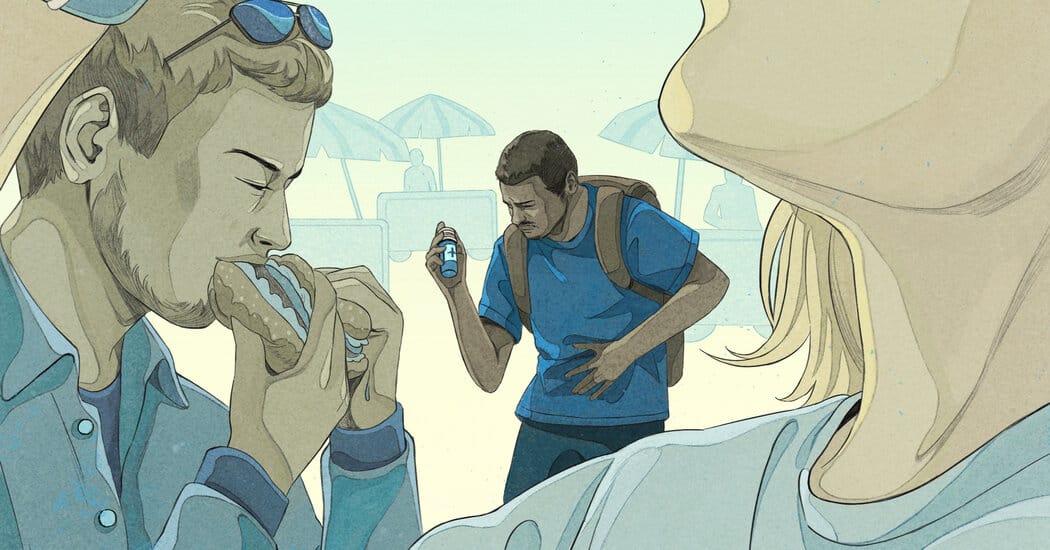
Travelers can reduce the risk of gastrointestinal distress and motion sickness through planning and simple precautions, experts say. A mix of pre-trip research, appropriate medicines and food- and water-safety measures can help prevent common travel ailments. If you have chronic digestive conditions or are prone to gut problems, know your baseline symptoms and pack prescription or over-the-counter remedies for nausea, heartburn, diarrhea and constipation, said Andrew Moore, a gastroenterologist.
For trips to areas with higher risk of cholera or typhoid, Dr. Moore advised consulting a doctor about vaccinations well before travel. Research food options at your destination and bring shelf-stable snacks if you have allergies or dietary restrictions. When it comes to water and food, experts recommend filtration, boiling, cooking or peeling.
Paul Connolly, formerly of Water-to-Go, noted that filter bottles can remove microbes; boiling is effective but often impractical, so sealed bottled drinks are safer and ice should generally be avoided. Sandra Eskin of Stop Foodborne Illness summarized the guidance: "Boil it, cook it, peel it or forget it." Watch street-food sanitation, prefer food cooked to order, and consider delaying adventurous eating until the end of a trip.
Most cases of travelers’ diarrhea and mild food poisoning resolve in a day or two, Dr.
Key Topics
Health, Motion Sickness, Travelers Diarrhea, Andrew Moore, Stop Foodborne Illness, Pepto-bismol