
Public school teacher redefines success as she homeschools her kids
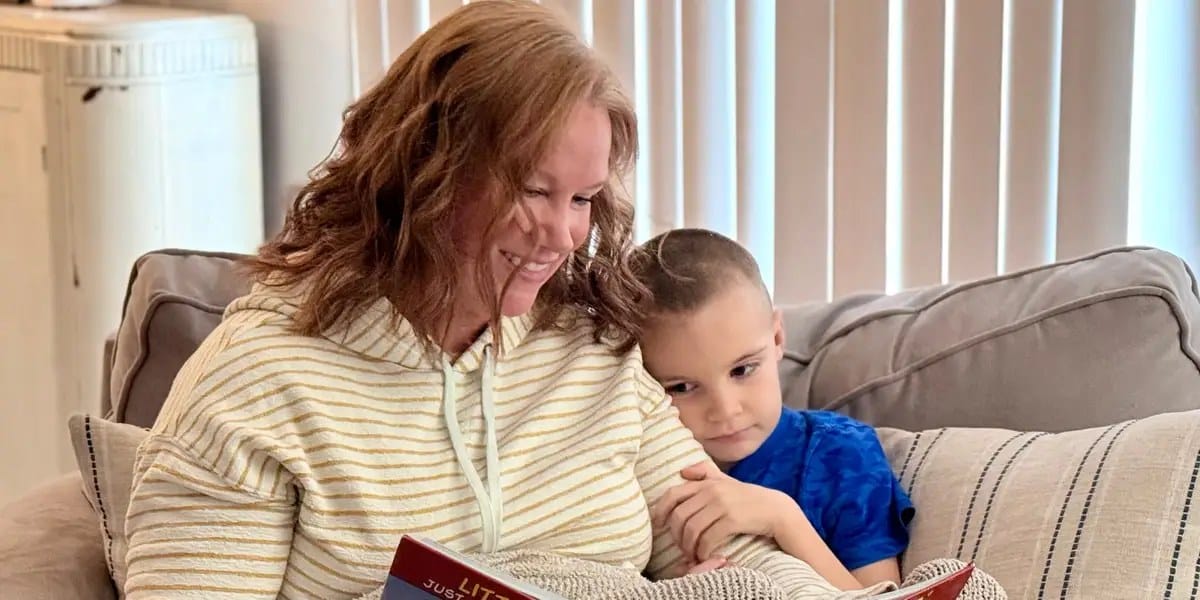
I taught in public high schools for more than a decade and measured success by standards, benchmarks, and test scores. I trusted data, tracked growth, and aligned objectives. Then I began homeschooling my two children, at ages twelve and five, and those carefully held definitions started to unravel.
One morning at the kitchen table I had a math worksheet ready; my son stared at it for ten minutes before pushing it aside in frustration. Later he and his brothers argued over batting averages and calculated on-base percentages — no worksheet, rubric, or grade, just curiosity and numbers.
Without grades, standardized tests, pacing guides, or bell schedules, progress showed up unevenly and often in ways I couldn't chart: a child lingering over a book or explaining a concept to understand it, not to pass a test. In classrooms I had seen students who played the game — met deadlines, followed directions, performed on assessments — and were labeled successful, while others struggled because they resisted the system.
homeschooling, public schools, teacher, standardized tests, test scores, grades, student success, curiosity, benchmarks, batting average