
Pulsars: the lighthouses of the universe
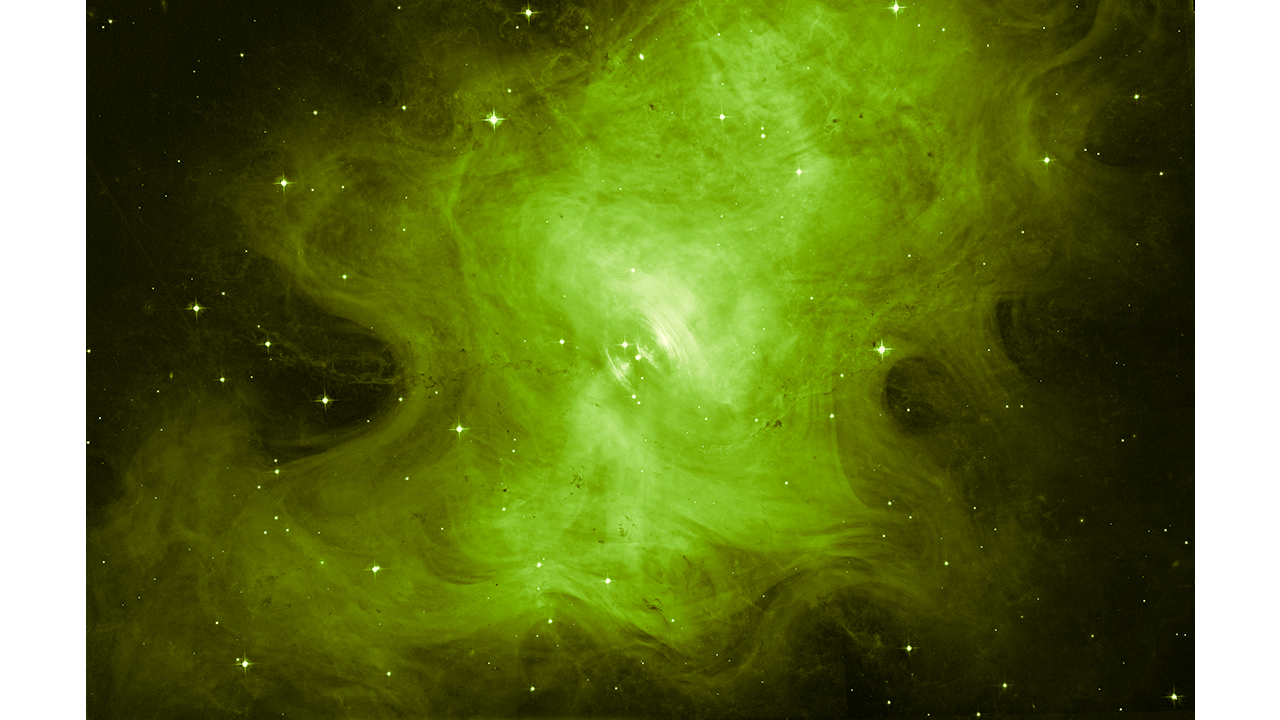
Pulsars are the lighthouses of the universe. They are neutron stars — extremely dense remnants of dead stars — with strong magnetic fields that rotate rapidly and emit beams of radiation from near their magnetic poles. As a pulsar spins, it sweeps that beam through space, and observers on Earth see it as a regular pulse.
Astronomers have found over 3,000 pulsars; the fastest, called millisecond pulsars, rotate hundreds of times per second, while the slowest may take almost 6.7 hours per rotation. Jocelyn Bell Burnell discovered pulsars in 1967 while working on her doctorate, noting a remarkably periodic radio signal in Vulpecula that she jokingly labeled "LGM" for "Little Green Men." Later work by Franco Pacini, Thomas Gold and others identified these signals as neutron stars emitting beams as they spin.
Hubble has advanced our view by imaging pulsars in visible light, notably showing wisp-like pulsar wind features in the Crab Nebula rippling outward and colliding with the nebula.
pulsars, neutron stars, millisecond pulsars, bell burnell, franco pacini, thomas gold, vulpecula, lgm, crab nebula, hubble