
A quarter-century on the ISS: microgravity research benefits Earth and future missions
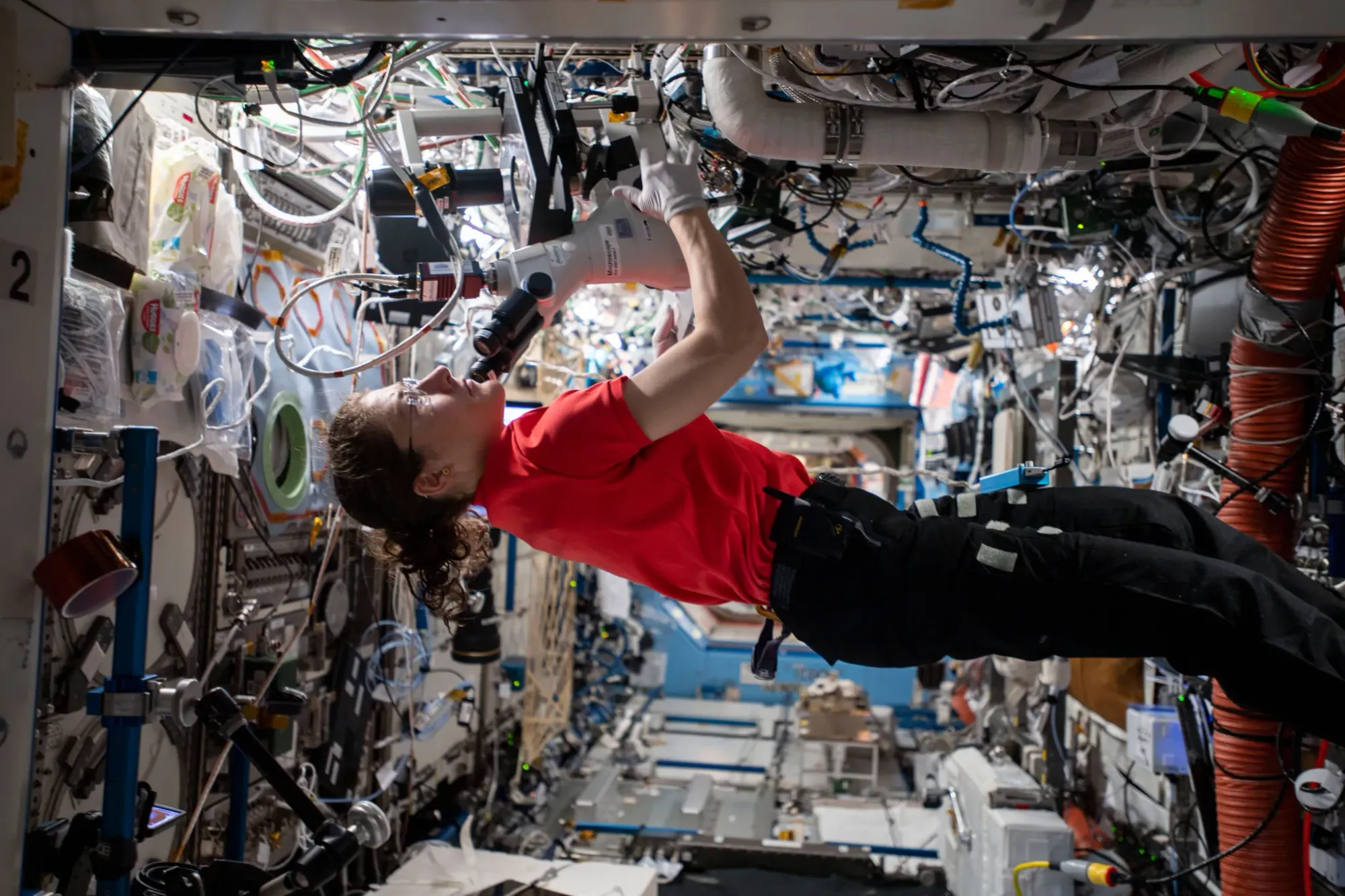
For more than 25 years, humans have lived and worked continuously aboard the International Space Station, conducting experiments that are transforming life on Earth and shaping plans for future exploration. In microgravity, cells grow in three dimensions, proteins form higher-quality crystals, and biological systems reveal details hidden by gravity, enabling studies of cancer, cardiovascular and bone disorders, and immune changes.
Examples cited include the Angiex Cancer Therapy study, which tested a drug targeting tumor blood vessels in conditions where endothelial cells behave more like they do in the human body, and protein crystal growth investigations such as NanoRacks-PCG Therapeutic Discovery and On-Orbit Crystals that advanced research on leukemia, breast cancer and skin cancers.
Plant research on the station — using the Veggie garden and the larger Advanced Plant Habitat — has produced lettuces, Chinese cabbage, mizuna mustard, red Russian kale, zinnia flowers and other crops, and astronauts have eaten space-grown lettuce, mustard greens, radishes and chili peppers.
On the human side, NASA’s Twins Study compared astronaut Scott Kelly, who spent nearly a year aboard the station, with his Earth-bound identical twin and found most changes returned to baseline but some persisted, such as shifts in gene expression, telomere length and immune responses.
Key Topics
Science, International Space Station, Microgravity Research, Protein Crystal Growth, Veggie, Advanced Plant Habitat