
Queen track inspired a Cuban to imagine life beyond communism
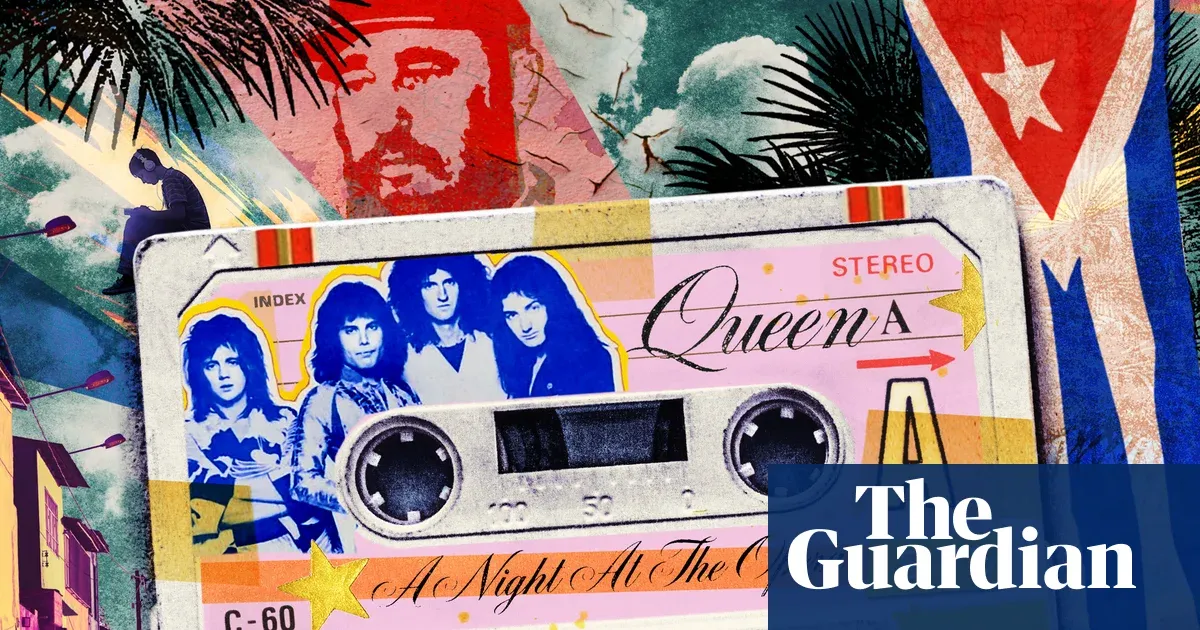
A man who grew up in 1980s Cuba says Queen’s The Prophet’s Song helped him imagine a life beyond the constraints of communism. He describes Fidel Castro’s presence and politics as omnipresent in posters, walls and long speeches, and says he was raised to believe in communism. Western music arrived in Cuba via a black market of copied cassette tapes; he first found rock at 13 when a sailor brought back LPs, and listening could be risky, with friends expelled from university or jailed for speaking or for showing “western proclivities”.
At 15, in 1986, he discovered The Prophet’s Song on A Night at the Opera, which he listened to from a photocopied inlay and a battered mono cassette player. He says the track’s layered vocals — including Brian May’s delay effect that multiplies Freddie Mercury’s voice and the echoed line “Now I know, now I know” — opened a crack in the noise of Havana.
He notes the album came after Queen fell out with their management and was recorded with greater creative freedom, and that the song’s inspiration, written by Brian May, came from a fever dream during an illness. He did not become an immediate dissident but kept that kernel of rebellion.
Rock sustained him through the late 1980s and the hardships of the 1990s; he studied English, ran a risky black-market translation and tour business, and eventually moved to the UK in 1997 after meeting a British woman in Havana.
Key Topics
Culture, Queen, Brian May, Freddie Mercury, Cuba