
Red tape slows European start-ups' cross-border growth
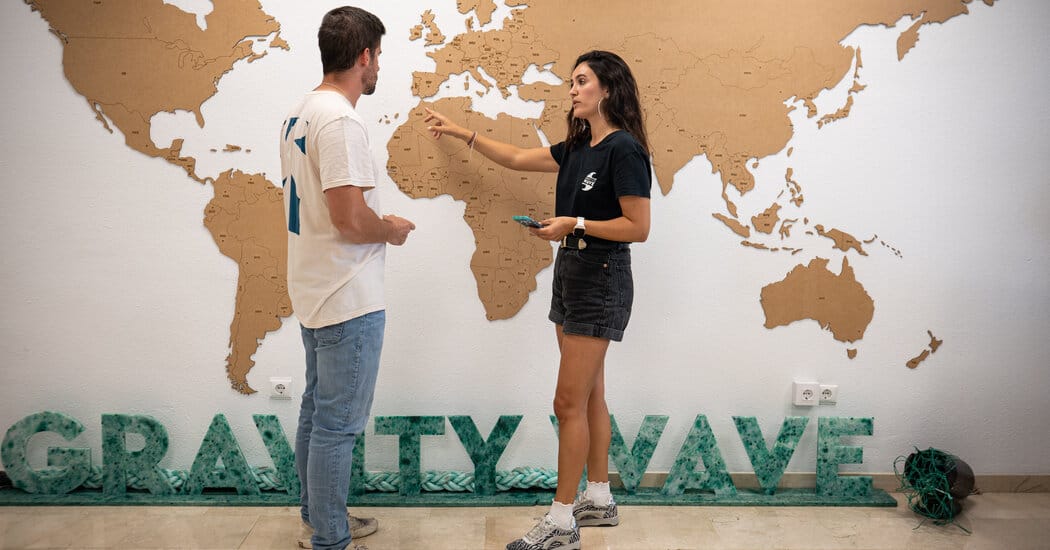
Start-ups in the European Union are growing rapidly but face persistent cross-border bureaucracy that hampers expansion. Gravity Wave, a Spanish company that recycles ocean plastic, has been slowed by E.U. transport regulations for waste and has had to find local recyclers in other countries to avoid those rules.
More start-ups have formed across Europe in recent years, with 35,000 early-stage companies in the European Union and Britain in 2024 and investment rising to $426 billion, according to Atomico. Still, entrepreneurs cite a patchwork of rules — covering hiring, environmental laws, financial regulation and fund-raising — that varies by member state and can be costly to navigate.
A report by Mario Draghi called for a single capital market to address some of these frictions. Founders and investors say the uneven implementation of directives makes scaling difficult. "The devil is in the detail," said Max Flötotto of McKinsey. Yiannis Giokas described a directive as functioning "more as a legal framework than a technical guide," adding that it was "open to hundreds of different implementations." Gravity Wave’s co-founder Amaia Rodríguez Sola said fishing nets often "would get stuck in the machines," recycling partners were reluctant to take ocean plastic and authorities assigned three separate registration numbers for waste collection, production and sales.
Key Topics
Business, Gravity Wave, European Union, Cross-border Regulation, Atomico, Mario Draghi