
Reporter gains access to Myanmar cyberscam center after rebel takeover
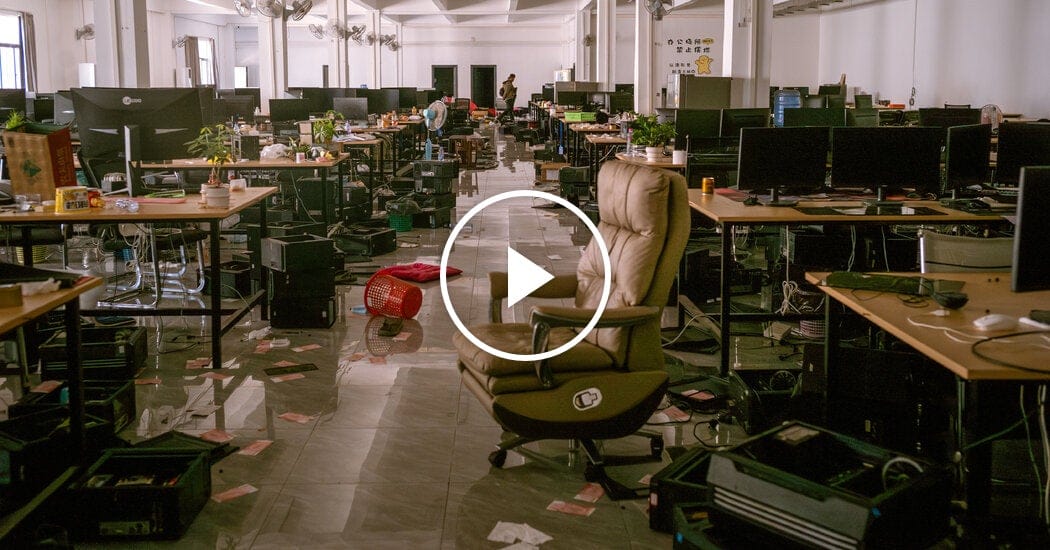
Hannah Beech, a New York Times reporter, gained rare access to a cyberscam center in Myanmar only weeks after rebel fighters took control of the compound near the border with Thailand.
The reporter described rows of monitors, piles of SIM cards and electronic equipment, and documents left behind, calling the site "the nerve center of this multibillion-dollar industry" that has used ordinary office spaces in the jungle to target people around the world. She said more than 3,000 people from dozens of countries were once employed there and that the scam industry proliferated during Myanmar’s civil war.
According to the reporter, scammers used AT&T SIM cards to pose as callers from the United States, cultivated relationships with targets on social media by pretending to be young Asian women, moved conversations to staged video calls with fake backgrounds and props, and celebrated large transfers by striking a gong or drum.
The visit was punctuated by mortar rounds that forced the reporter to seek cover. Some Chinese workers remaining at the compound told the reporter they had been lured by fake job offers and forced to work and said that if they returned to China they would likely be arrested, so for now their best hope is to find another job in Myanmar.
Key Topics
World, Cyberscam Center, Myanmar, Thailand, Hannah Beech, Online Fraud