
Retraction of 2000 Glyphosate Study Prompts Fresh Scrutiny of Roundup
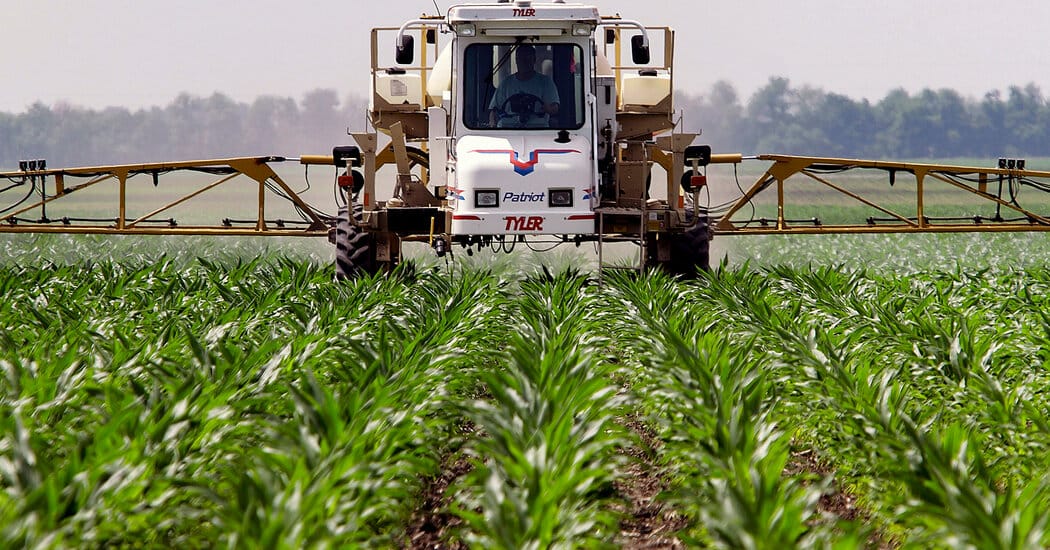
A prominent 2000 scientific review that long underpinned assurances about the safety of glyphosate, the active ingredient in Roundup, was retracted last month, renewing debate over the widely used herbicide. The journal Regulatory Toxicology and Pharmacology cited “serious ethical concerns regarding the independence and accountability of the authors,” saying the paper relied heavily on unpublished studies from Monsanto and that there were indications the authors had been financially compensated.
Emails disclosed in litigation showed Monsanto employees had a substantial role in conceiving and helping to write the paper. Bayer, which acquired Monsanto in 2018, defended the disclosure in the original article and said the listed authors had approved the manuscript. The retracted review had been highly cited and served as a foundation for regulatory decisions that found glyphosate posed little human-health risk.
Two Harvard researchers who urged the journal to re-examine the article noted it ranks among the most-cited papers on glyphosate. The World Health Organization’s cancer agency classified glyphosate in 2015 as “probably carcinogenic to humans,” and traces of the chemical have been found in foods and in people’s urine.
Some food residues appear to have fallen after companies curtailed preharvest applications that leave higher residues.
Key Topics
Politics, Glyphosate, Roundup, Monsanto, Bayer, Environmental Protection Agency