
Rising Phone Searches at U.S. Borders and How Travelers Can Protect Their Data
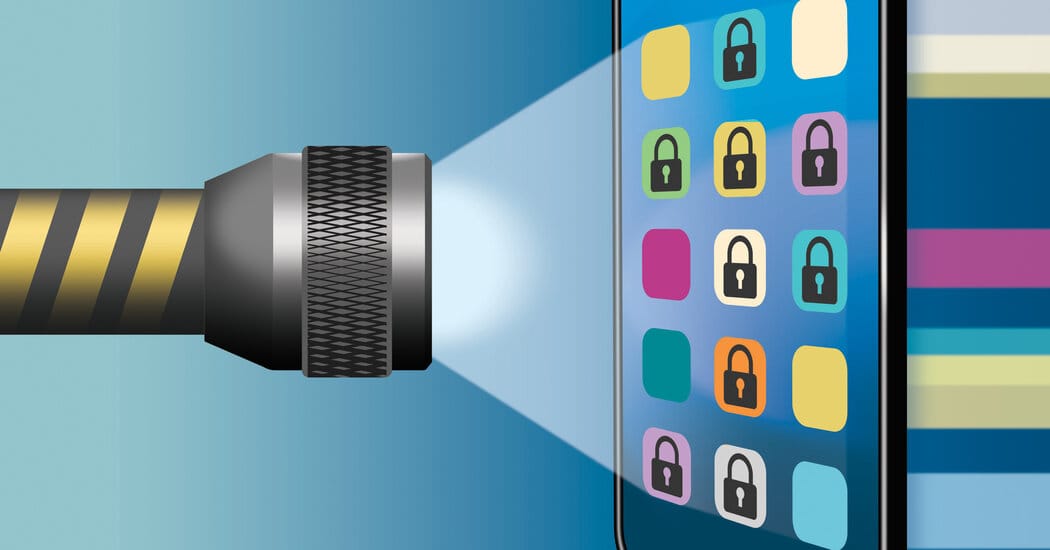
U.S. Customs and Border Protection has broad authority to search travelers’ phones, laptops and other electronic devices at ports of entry under an exception to the Fourth Amendment, agency officials and privacy experts say. C.B.P. conducted 55,318 electronic-device searches in fiscal year 2025, up from prior years, though that figure represented about 0.01 percent of nearly 420 million travelers who entered or exited the country that year.
The agency says searches aim to detect digital contraband, terrorism-related content and information relevant to visitor admissibility. But travelers and advocates report growing scrutiny of legally protected speech and activity when devices are inspected. Agents can demand access to any traveler’s device.
U.S. citizens and lawful permanent residents cannot be denied entry solely for refusing to unlock a device, but officers may seize the device and hold it for at least five days or longer at a supervisor’s discretion. Officers typically perform a basic manual search, but in some cases C.B.P.
conducts a forensic search that copies a device’s contents for detailed analysis and can recover deleted files. Courts and privacy groups say rules for forensic searches vary by state. In 18 states, federal courts require reasonable suspicion for a forensic search; in 10 states they do not.
Key Topics
Tech, Privacy, Border Searches, Travel, Cbp, Digital Rights