
Russia’s oil revenue is plummeting, forcing higher taxes and rising debt
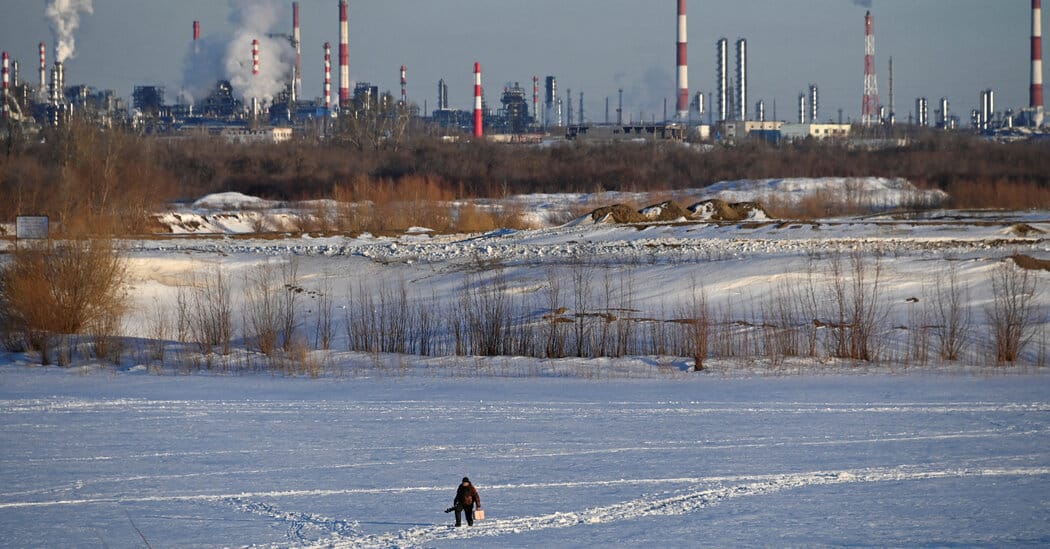
As of Jan. 31, 2026, Russia’s oil revenue has plunged, forcing the Kremlin to raise taxes and increase state debt even as trilateral peace talks with Ukraine and the United States are set to continue in Abu Dhabi. The Finance Ministry said Russia’s oil and gas revenue fell by almost a quarter last year.
The steep drop has pushed the country into sustained budget deficits, higher taxes and stubborn inflation, and the government ran a $72 billion budget deficit in 2025, nominally the highest since 2009, the article says. The decline in revenue reflects both weaker global prices after OPEC moved to increase production and new Western sanctions and tighter enforcement of existing restrictions.
The piece notes that in October, President Trump imposed sanctions on Rosneft and Lukoil, and that U.S. forces seized a Russian-flagged vessel on Jan. 7 while the French Navy intercepted a tanker suspected of a false flag. The economy ministry said the average price of Russian oil was $39 per barrel in December, down from more than $57 in August, and discounts on Russian crude have grown drastically.
The Kremlin has responded by raising taxes — including on small businesses such as bakeries and shops, which prompted a rare uproar — and by increasing state borrowing. The ruble, propped up by import restrictions and high interest rates, surged about 45 percent against the U.S. dollar in 2025, which the article says reduces the government’s revenue per barrel of crude.
russia oil revenue, kremlin tax increases, russia 2025 budget deficit, rosneft sanctions, lukoil sanctions, discounts on russian crude, ruble surge 2025, seizure of bella 1, trilateral talks abu dhabi, shadow fleet enforcement, drone strikes on tankers, taxes on bakeries and shops