
Russian-made air defenses in Venezuela were largely inoperative during U.S. attack
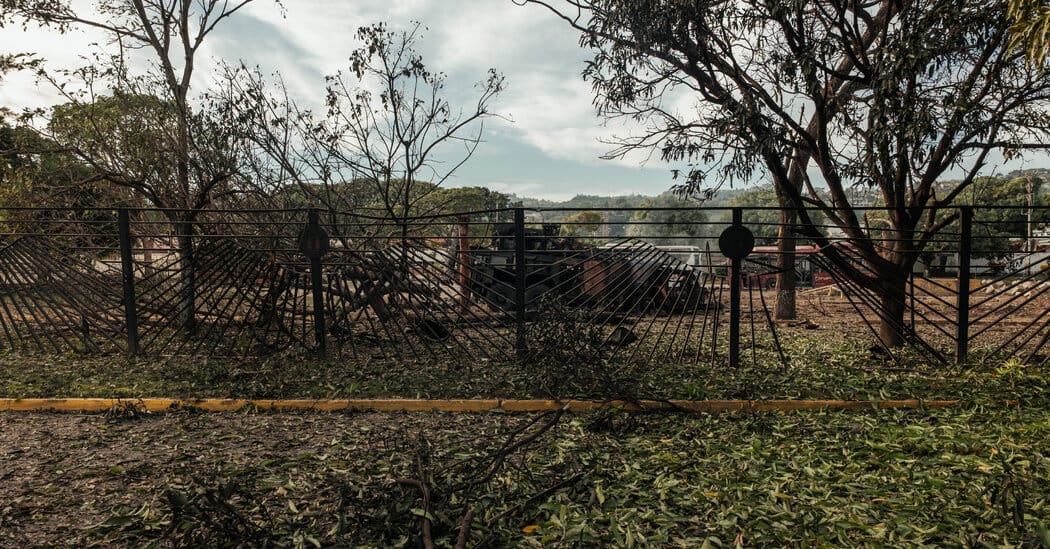
American officials say Venezuela’s advanced, Russian-made S-300 and Buk-M2 air defense systems were not hooked up to radar when U.S. helicopters carried out Operation Absolute Resolve to capture President Nicolás Maduro, leaving Venezuelan airspace largely unprotected. An analysis by The New York Times of photos, videos and satellite imagery found some air defense components still in storage and other systems apparently not operational.
Four current and former U.S. officials told The Times Venezuela struggled for years to maintain the Russian equipment, often lacking spare parts and technical know-how, and the military’s failures helped the U.S. operation succeed. "After years of corruption, poor logistics and sanctions, all those things would have certainly degraded the readiness of Venezuela’s air defense systems," said Richard de la Torre, a former C.I.A.
station chief in Venezuela, quoted in the report. The Times said U.S. strikes primarily targeted locations where Buk systems had been deployed or stored; footage and imagery showed destroyed launchers and damaged warehouses at La Guaira, Catia La Mar, Higuerote and La Carlota Air Base.
Venezuela’s shoulder-fired SA-24 Manpads also made little impact despite President Nicolás Maduro’s earlier claim that the country had "no less than 5,000" such missiles; several videos showed at least one Manpad fired and then coming under intense U.S. counterfire, and two American officials suggested that heavy U.S.
Key Topics
World, Operation Absolute Resolve, Nicolas Maduro, La Carlota, Venezuela, Russia