
Russian winemakers aim for elite status, but blind tasting favours Europe
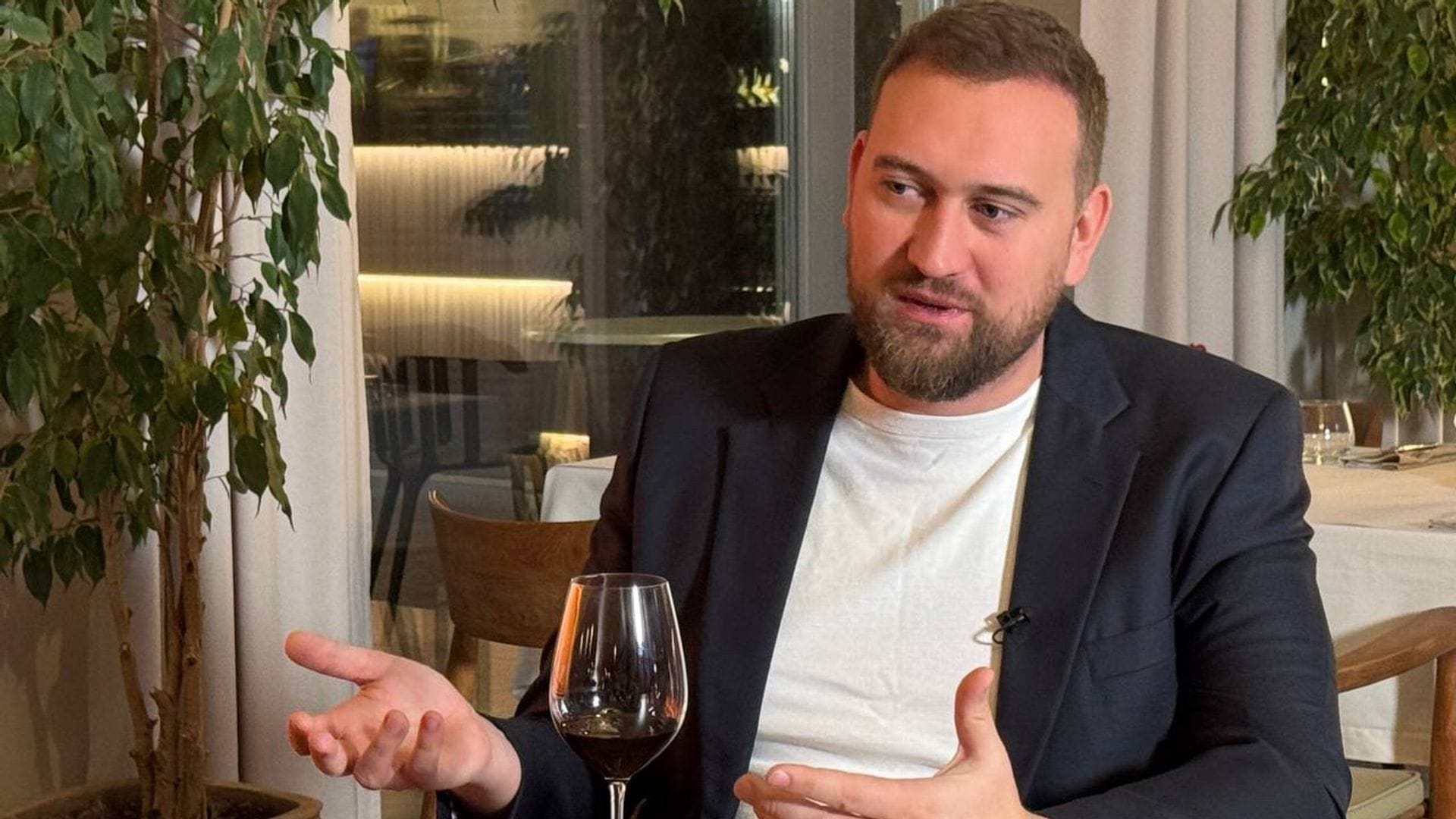
Mikhail Nikolaev, of Nikolaev & Sons in Russia's Krasnodar region, says the estate can produce sparkling wines comparable to Champagne and English fizz. The producer uses the traditional method, ageing wine on lees, and focuses on Chardonnay and Pinot Noir.
The winery currently makes about 60,000 bottles a year and plans to double output by 2032, betting on domestic demand after Western export markets were cut off by sanctions following Russia's invasion of Ukraine.
Sanctions and a Kremlin-led push to buy local have driven Russian wines from around a quarter of the market a decade ago to nearly two-thirds today, as foreign wines became scarcer and more expensive.
Denis Rudenko of the Russian Sommelier Society, who has worked in the trade for 25 years, says mass-market Russian wines now compare well with imports and that collectible Russian bottles could emerge within two decades.
To test the claim, a blind tasting in an upmarket Moscow bar pitched a Russian Riesling against a German Riesling. Across several tables, tasters preferred the German wine, describing it as lighter and more nuanced, while finding the Russian example more acidic.
The tasting suggested that while Russian wine production is growing and promoted at home, consumer preference in a blind test still favoured the European example.
Key Topics
World, United States, Russia, Wine, Sparkling Wine, Sanctions, Blind Tasting