
Russian winemakers seek sparkling credibility but blind tasting favours imports
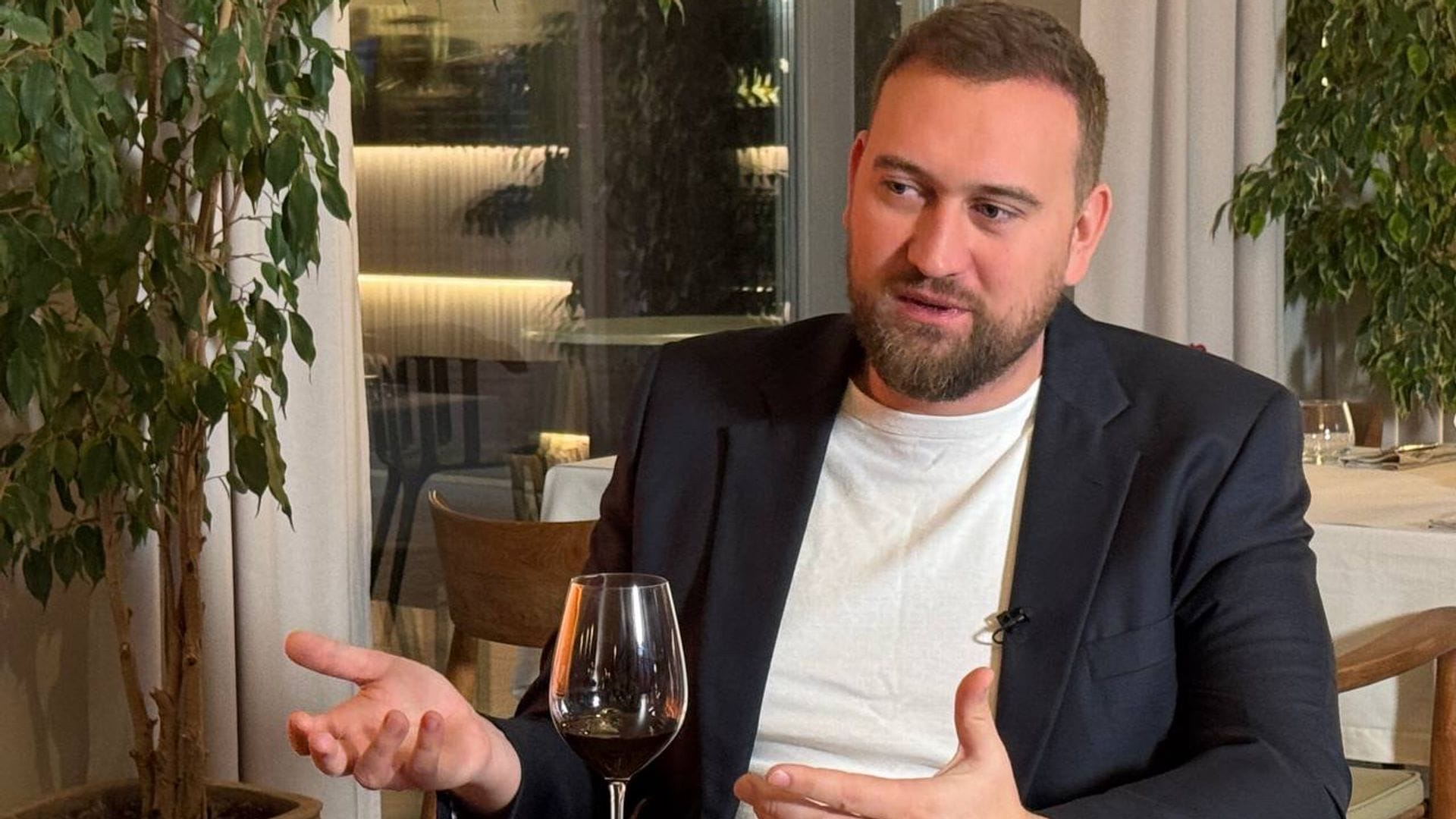
Producers in Russia's Krasnodar region, including Nikolaev & Sons, say their sparkling wines—made by the traditional method and from Chardonnay and Pinot Noir—could compete with other non-Champagne fizz. "If you're looking for a kind-of-like Champagne that is not made in Champagne... you have us," one family member told reporters.
The winery currently makes about 60,000 bottles a year and plans to double output by 2032 to meet growing domestic demand. They say the region's climate gives them potential to join the world's top sparkling producers.
International expansion has been hampered by sanctions following Russia's invasion of Ukraine, which have cut off Western export markets. At home, though, sanctions and a Kremlin push for local produce helped lift the share of Russian wines from about a quarter of the market a decade ago to nearly two-thirds today.
Denis Rudenko of the Russian Sommelier Society, a 25-year veteran, says: "If we are talking about mass market wines, there is no difference," and suggests Russia could develop collectible wines within the next two decades.
To test how domestic vintages stack up, reporters held a blind tasting in Moscow comparing a Russian Riesling with a German Riesling. Three volunteers preferred the German wine, suggesting that wine patriotism has its limits.
Key Topics
World, United States, Culture, Russia, Wine, Sparkling, Sanctions