
Saks Global bankruptcy revives questions about the future of department stores
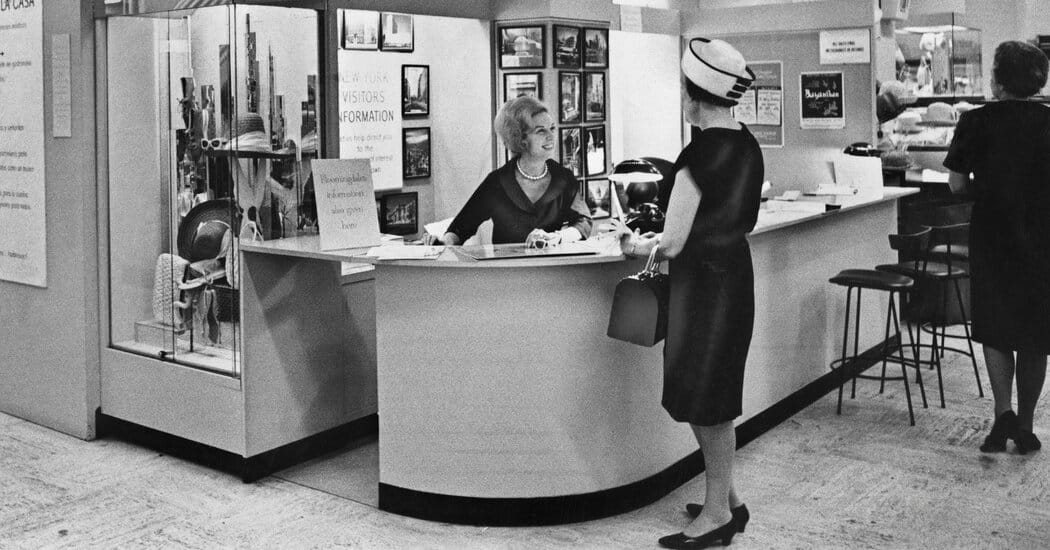
Saks Global, the operator of Saks Fifth Avenue, Neiman Marcus and Bergdorf Goodman, entered Chapter 11 bankruptcy, a development that the New York Times said has revived debate about whether department stores can regain their former appeal (report dated Jan. 29, 2026). The Times piece traces the cultural power of department stores in past decades, recalling a 1976 “60 Minutes” segment in which Morley Safer reported that Bloomingdale’s drew some 300,000 people a week and functioned as a neighborhood social magnet.
The article notes that stores once mixed merchandise, food and spectacle — from Wanamaker’s organ concerts to the variety of goods sold in early stores — to create a communal, “third place” feeling. The paper details changes at Saks in recent years: a $250 million renovation in 2019 that tripled handbag floor space and moved beauty from the ground floor to the second, shifting the store’s entry message toward high-priced leather goods.
The story also highlights SaksWorks, a short-lived partnership with WeWork that converted a flagship floor into coworking space and lasted under two years. The report says bankruptcy stress can push retailers toward the most commercially exalted brands as independent designers withdraw; it quotes a lawyer, Joseph Sarachek, who represents about 30 small vendors owed between $100,000 and $10 million by the Saks corporation.
saks global bankruptcy, saks fifth avenue, neiman marcus, bergdorf goodman, chapter 11 filing, department stores future, department store experience, handbag floor space tripled, 2019 $250 million renovation, beauty relocated to second floor, saksworks wework partnership, wework partnership, independent designers withdrawal, small vendors owed, joseph sarachek, luxury handbag focus, nordstrom nyc store, l’avenue at saks, wolf restaurant nordstrom, communal third place, retail bankruptcy impact, chanel handbags, valentino handbags, wanamaker organ concerts, morley safer 60 minutes, bloomingdale’s cultural power