
Scientists raise concerns about H9N2 and other bird flu strains as H5N1 spreads
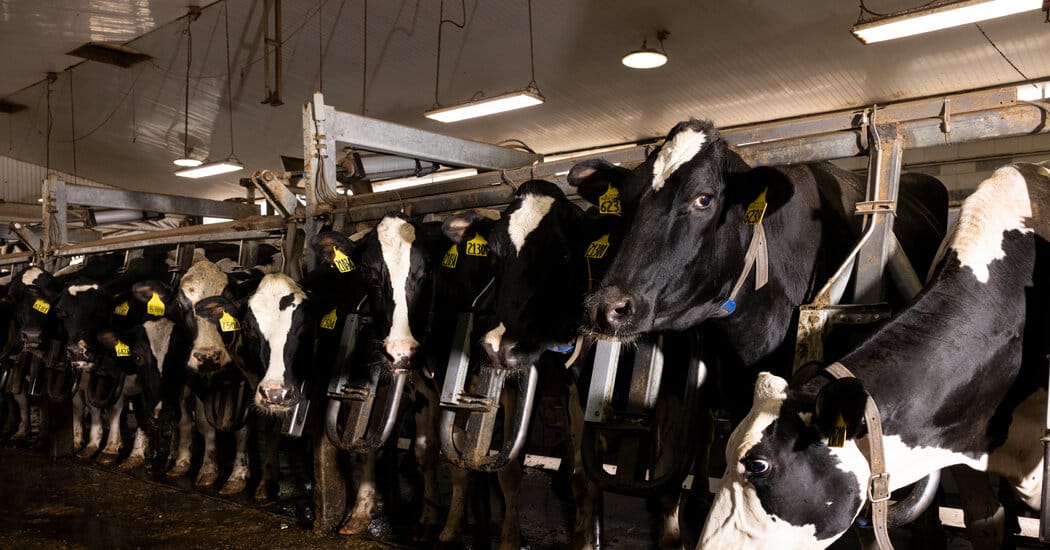
Researchers say several bird flu viruses — not just H5N1 — are prompting growing concern worldwide, and the Agriculture Department last month announced the first detection of H5N1 in a dairy herd in Wisconsin, the third wildlife-to-cattle spillover this year. A study published in November by researchers in Hong Kong found that H9N2 has acquired mutations over the last decade that allow it to spread more efficiently among people and to cause more severe disease.
H9N2 is often seen as a mild poultry virus but can cause worse illness in people, especially children; fewer than 200 human cases have been reported since 1998, though China reported 29 cases last year compared with 11 in 2024. Dr. Kelvin To, who led the study, said reported numbers are likely underestimates and warned, "If it continues to be widely circulating in poultry, mammals and humans, it may certainly one day evolve into something very serious." H5N1 remains a major U.S.
concern: it has been reported to infect 71 people, killing one, and has affected nearly 185 million commercial, backyard and wild birds since January 2022. Since March 2024 H5N1 has been detected in 1,084 cattle herds in 19 states, and a 2025 study suggested a single mutation could make H5N1 capable of causing a pandemic.
Key Topics
Health, Wisconsin, China, Kelvin To, Agriculture Department