
Six expert steps to reduce smart-home hacking risk
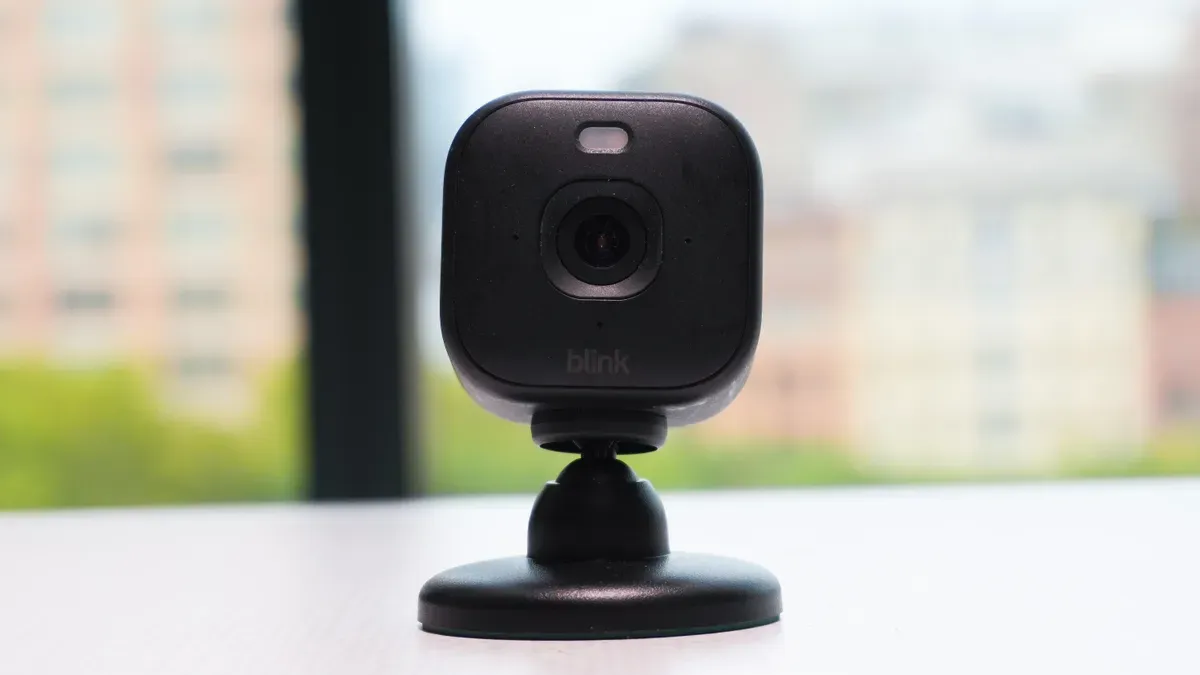
ZDNET outlines six measures smart-home users can take to reduce the risk of their devices being hacked, noting that all smart homes are at risk though attacks are opportunistic and not a likely event. Recent reports — including the compromise of 120,000 home security cameras in South Korea for sexploitation footage — have highlighted those concerns.
The article's core recommendations are straightforward: use strong, unique passwords and change defaults, and enable two- or multi-factor authentication where available (the story cites Amazon, Google, and Philips Hue as examples of brands that offer it). It also stresses securing Wi‑Fi with WPA2 or WPA3, changing the router’s default password, avoiding wide sharing of the network password, and considering separate guest and IoT networks.
Other advised steps are to keep device firmware up to date — ideally by enabling automatic updates — and to turn off unnecessary features such as remote access or Universal Plug and Play. The piece also urges buyers to research brands and verify security claims (for example, local-only storage) through reviews and user experiences on sites like Reddit, noting that large or well-known brands such as Wyze, Eufy, and Google have still been targets of basic exposures.
ZDNET emphasizes that attackers tend to search randomly for easy targets rather than pick specific homes, and that many reported hacks happen because users failed to follow basic security steps.
Key Topics
Tech, Smart Home, South Korea, Multi-factor Authentication, Wi-fi, Firmware Updates