
Smuggled Starlink terminals helped activists bypass Iran’s internet blackout
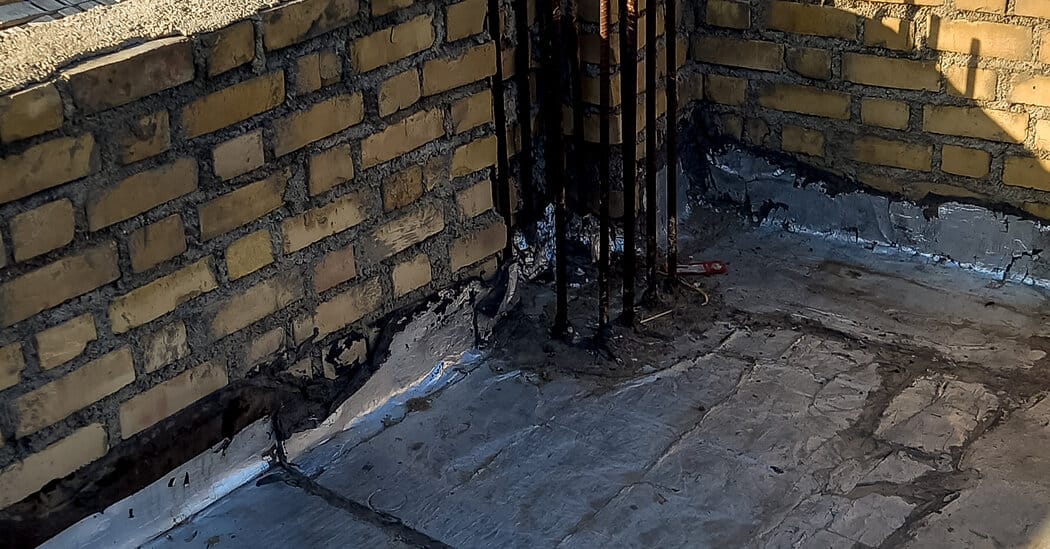
Activists in Iran used thousands of smuggled Starlink satellite internet terminals to get online and share images from the streets after authorities shut down the country’s internet, digital rights researchers and activists said. Their use of the terminals prompted Iranian officials to deploy military-grade electronic jamming aimed at disrupting the GPS signals Starlink requires.
Digital activists and researchers said the move was the result of years of planning. Since 2022, activists and civil society groups have smuggled Starlink units into Iran, aided by a U.S. sanctions exemption that allowed SpaceX to offer communications tools; a Biden administration official said the State Department coordinated with SpaceX and provided guidance on hiding the systems.
About 50,000 terminals are now in the country, according to digital activists, many hidden on rooftops or shared by developers who turned single terminals into gateways for others. Iran’s response included electronic jamming, drones to locate units, public confiscations and warnings that possession of a Starlink is a crime, activists and analysts said.
Monitoring group Netblocks reported Iran’s internet traffic fell by 99 percent during the shutdown; researchers said the jamming worked in some areas but the terminals’ number and dispersal made complete blocking difficult. The country’s National Information Network continued to provide access to some domestic services even as most global connections were cut.
Key Topics
Tech, Starlink, Spacex, Iran, Internet Shutdown, Electronic Jamming