
Tabletop gaming revived videogame RPGs
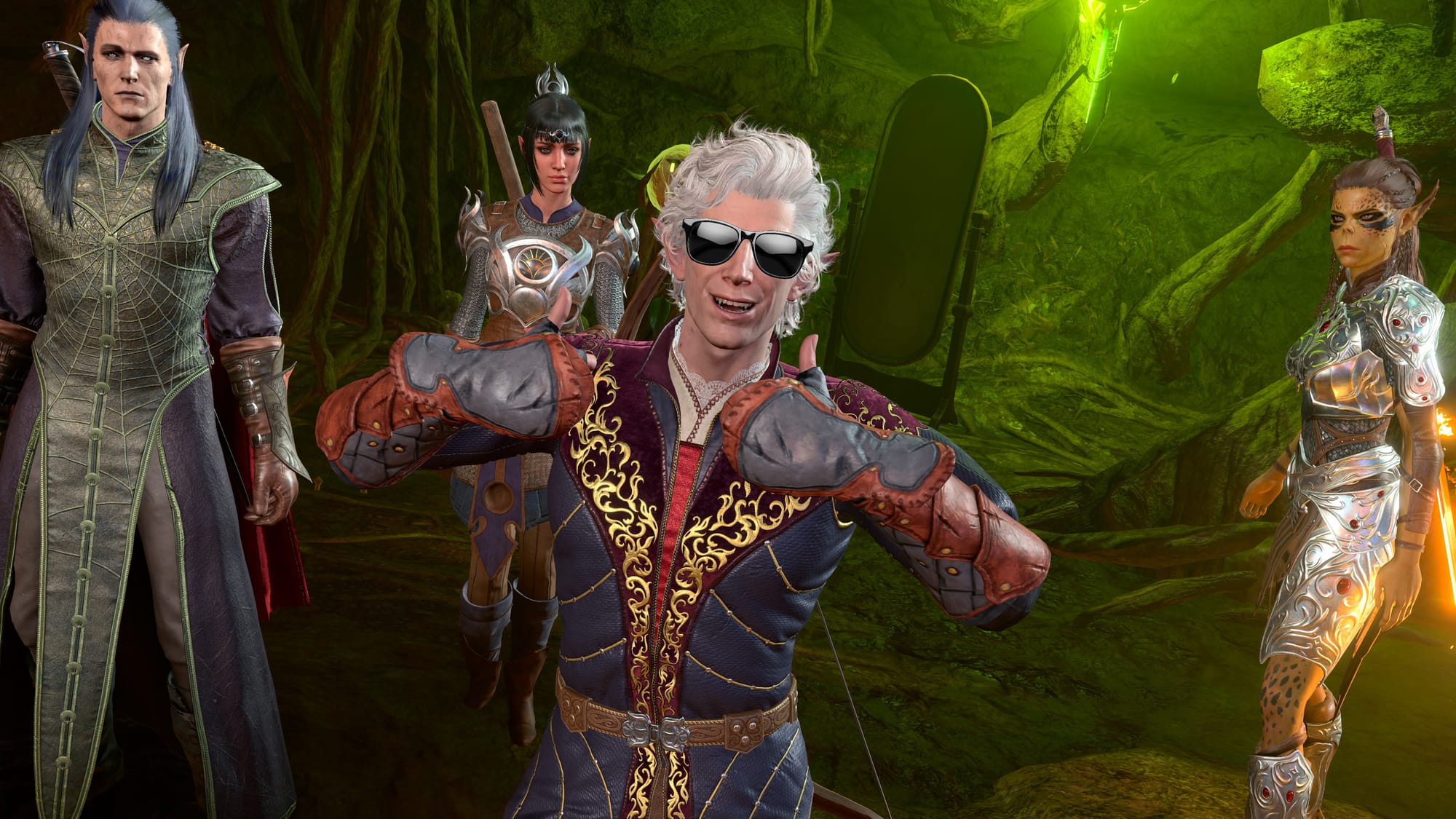
The RPG genre has come full circle. In the 1980s and 1990s, games like Ultima and Baldur's Gate translated tabletop mechanics and player agency from systems such as D&D into singleplayer adventures on desktop PCs. Now tabletop influences are returning to videogame RPGs.
Live-play sessions and lower barriers to development have helped fuel that return, and studios of all sizes are experimenting with tabletop-inspired design. Games such as Esoteric Ebb and Disco Elysium offer vast options and reactivity, letting players embody characters rather than simply choose an aggressive, sneaky, or charming approach.
They even allow odd diversions — ignoring a main quest to try eating a mountain of apples, for example. The tabletop resurgence has also changed how combat plays out. Larian's explosive encounters in Divinity: Original Sin and Baldur's Gate 3 foreground player creativity with spells, skills and environmental interaction, from hurling objects to flinging allies at enemies.
tabletop gaming, videogame rpgs, player agency, d&d, baldur's gate, ultima, disco elysium, esoteric ebb, live play, environmental interaction