
Tangled uterine scar collagen may underlie placenta accreta risk
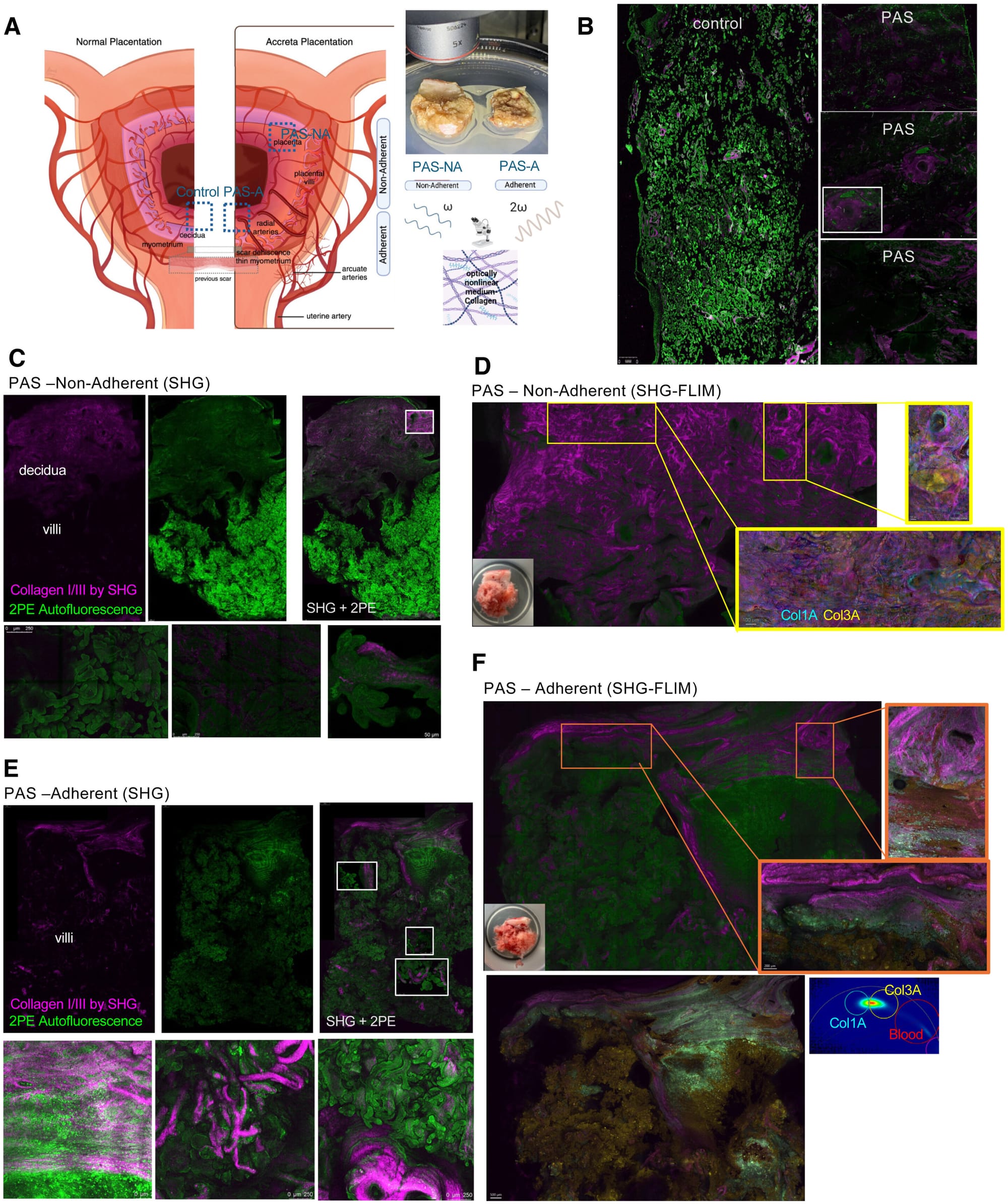
New UCLA-led research links irregular, tangled collagen in old uterine scars to abnormal placental attachment in placenta accreta spectrum (PAS), a condition now affecting roughly 14,000 pregnancies annually and a major cause of maternal death. Placenta accreta occurs when the placenta grows too deeply into the uterine wall and fails to detach after birth, often causing life-threatening bleeding and necessitating hysterectomy.
A prior cesarean delivery is the strongest and most common risk factor. Using surgical specimens, a mouse model and a lab-grown "accreta-in-a-dish" system, researchers applied advanced 3D imaging to show that tangled or irregular collagen at old uterine scars breaks down the normal boundary between uterus and placenta, creating a permissive environment for abnormal placental attachment and high-risk delivery.
Investigators collected tissue from 13 patients with PAS and 10 patients with accreta risk factors but without PAS, sampling sites where the placenta adhered and where it did not. They found persistent inflammation and immune cells called macrophages interfered with normal scar remodeling, producing abnormal collagen architecture that promotes placental adherence.
"Our findings show that the main problem in placenta accreta isn't the placenta growing abnormally—it's how uterine scarring changes the structure and organization of collagen in the uterus to increase delivery risks," said Yalda Afshar, MD, the study's corresponding author.
Key Topics
Health, Placenta Accreta, Uterine Scar, Collagen, Cesarean Delivery, Macrophages