
Inside Tanintharyi’s five-year armed resistance
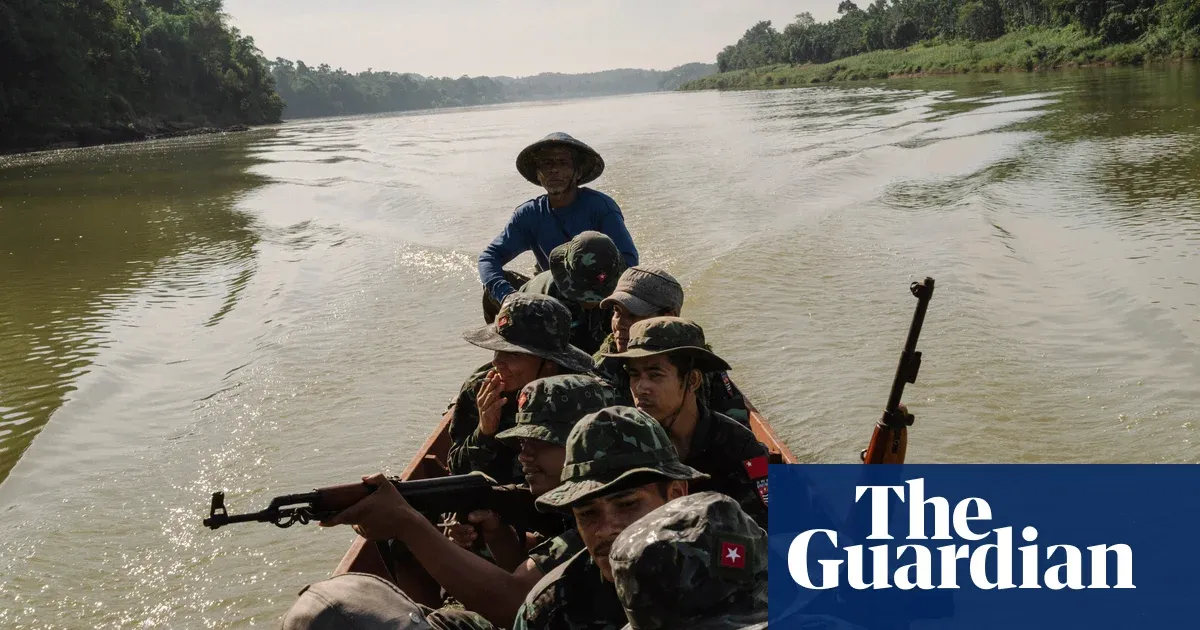
Tanintharyi, the narrow strip of land between the Andaman Sea and Thailand, has become a stronghold of local resistance. After five years of guerrilla warfare the revolutionary youth there remain determined to restore democracy through armed struggle. Soldiers from the Karen National Union inspected the ruins of a Buddhist monastery destroyed by a junta airstrike in Myeik district.
Everything changed on 1 February 2021 when the military overthrew the civilian government. Peaceful protests were crushed and many young people joined the armed resistance, forming the People’s Defence Force alongside long‑standing ethnic groups such as the KNU.
Fighters now patrol rivers and rural routes; rebels control nearly half of the Tanintharyi region, including key waterways. The fifth year of the uprising has brought new pressures. The Tatmadaw, strengthened by more than 80,000 forcibly recruited troops and backed by Beijing, has launched a bloody counteroffensive on many fronts, forcing some insurgent withdrawals.
tanintharyi, myeik, andaman sea, thailand, knu, tatmadaw, armed resistance, guerrilla warfare, junta airstrike, beijing