
Target’s new C.E.O. faces Minneapolis crisis as he begins turnaround
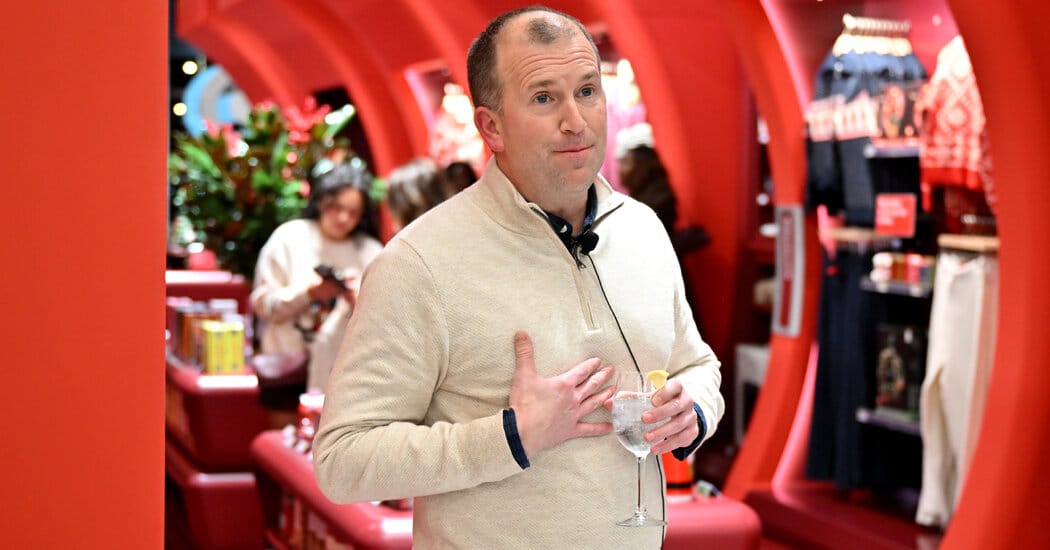
Michael Fiddelke began his tenure as Target’s chief executive on Feb. 1 as unrest unfolded a mile from the company’s Minneapolis headquarters after federal immigration agents killed Alex Pretti, an intensive care nurse who was apparently filming them with his phone. Target has been struggling with stagnant revenue and lost market ground: net sales fell 1.5 percent last quarter, the company operates nearly 2,000 U.S.
stores and it eliminated 1,800 corporate positions in October. "Priority one through 10 is Target’s growth," Mr. Fiddelke said in a statement to The New York Times. "We’re moving with urgency and focus." Industry analysts say Target has lost elements that once set it apart, especially in home goods and clothing.
"They’ve lost the mojo of their brand," said Stacey Widlitz of SW Retail Advisors, and Oliver Chen of TD Cowen said the company must address merchandising, technology, supply chain, loyalty programs and store renovations — beginning with product. The company has also faced intense consumer backlash after rolling back diversity, equity and inclusion programs, drawing protests and boycotts and, by executives’ account, affecting sales.
Mr. Fiddelke has outlined a three-part plan to rework merchandising with a focus on design, improve the shopping experience in stores and online, and integrate more technology; management has committed to spend more to revamp stores and expand wellness offerings.
michael fiddelke, target turnaround plan, alex pretti killing, minneapolis unrest, target merchandising strategy, target store renovations, target layoffs october, target dei rollback, target net sales decline, walmart performance, stacey widlitz, oliver chen