
Taxi Driver still feels disturbingly contemporary half a century later
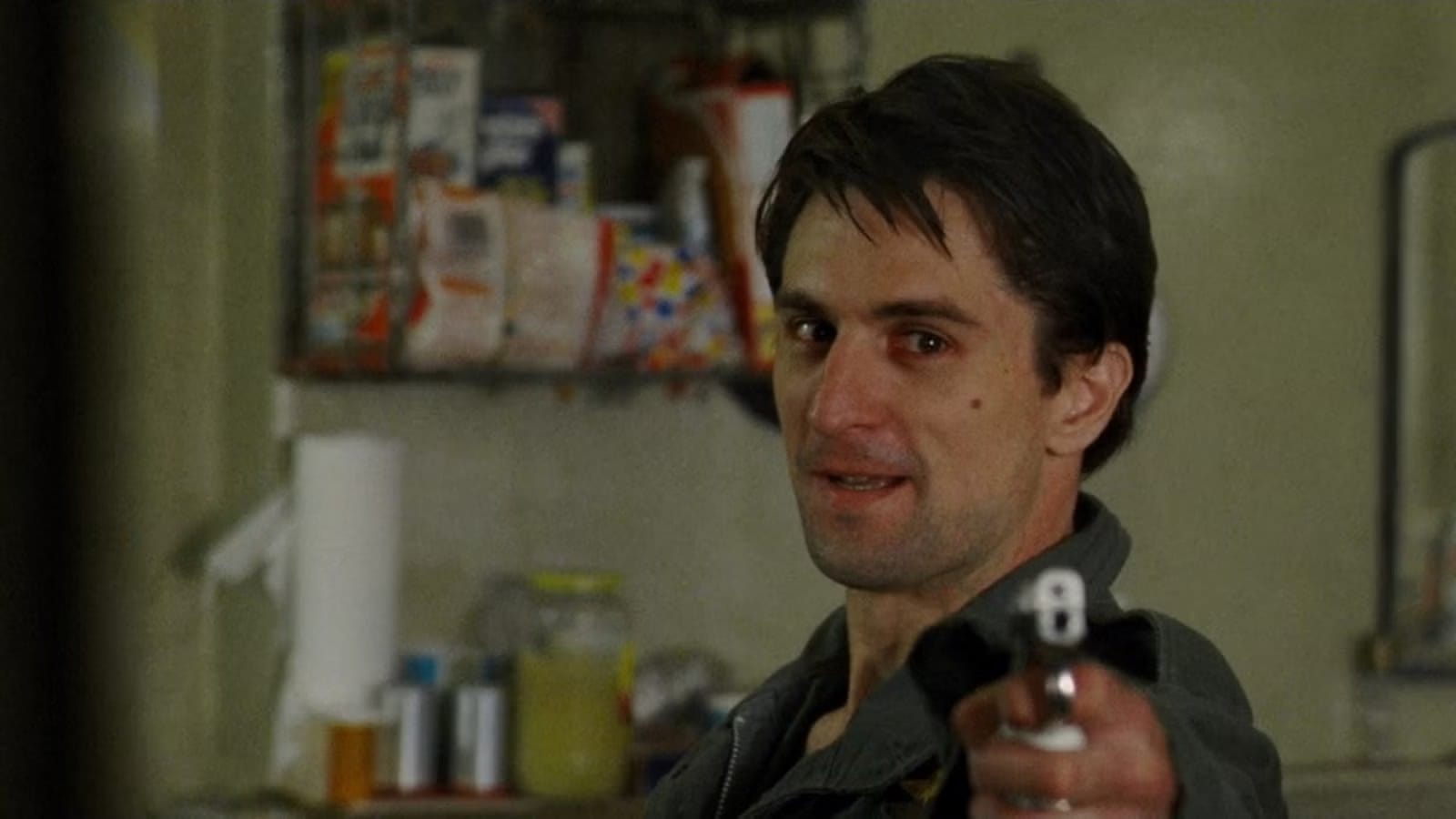
Martin Scorsese and Paul Schrader’s Taxi Driver turns 50 on Feb. 8 and remains disturbingly contemporary. Like Rocky, it can be read as an underdog character study, but the film often resembles psychological horror, recasting a city story as a portrait of a man unraveling.
Travis Bickle is a loner: honorably discharged from the Marines and suffering from insomnia, he drives a cab at night through a New York he sees as a hellscape. Scorsese and cinematographer Michael Chapman heighten that vision—filming on location amid “row after row of condemned buildings” during a 1975 heat wave, opening with a cab emerging from street steam and keeping Bickle’s face clear while the outside world looks distorted.
One strikingly prescient element is Bickle’s incoherent personal politics. He admires and then plots against a presidential candidate without seeming to grasp the man’s positions, makes racist remarks even as he insists he won’t refuse Black fares, and is more disgusted by people he passes than by patrons of porno theaters.
taxi driver, martin scorsese, paul schrader, travis bickle, michael chapman, new york, heat wave, insomnia, psychological horror, cab driver