
The Quantity Theory of Morality review – raucously inventive satire
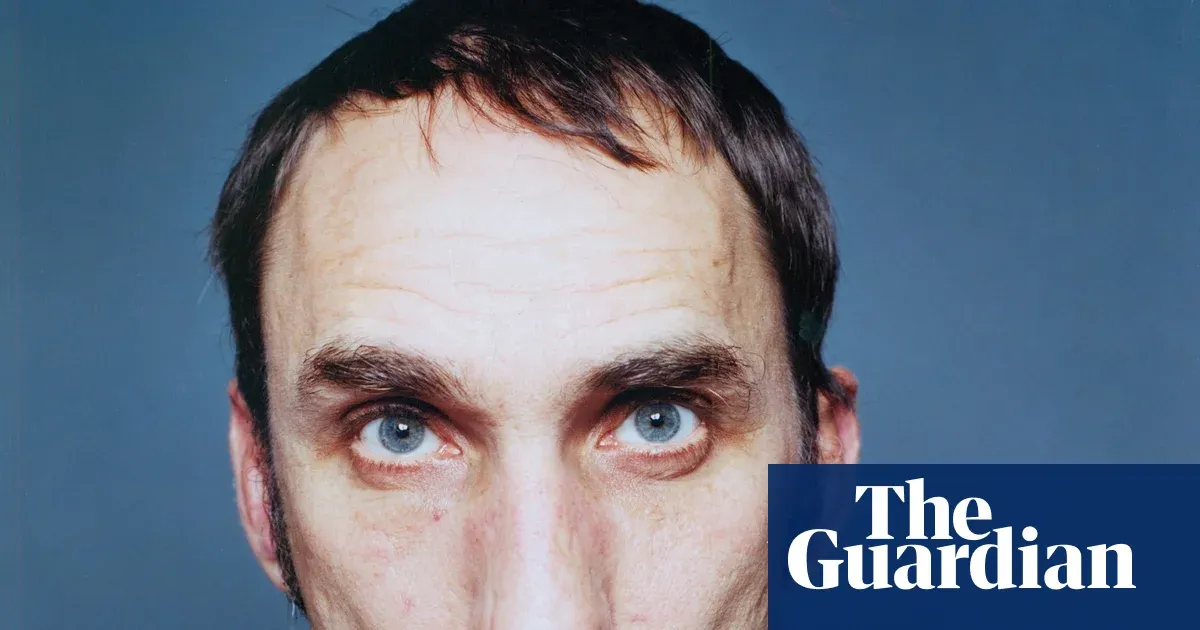
In his 1991 debut collection The Quantity Theory of Insanity, Will Self introduced a hypothesis about a collective psyche and the figure of Zack Busner, the hospital psychiatrist who has reappeared across his fiction. Thirty-five years on, Self returns to that idea in The Quantity Theory of Morality, with Busner – now in his dotage – warning that there is only so much good to go around: “I estimate that when a social group’s morality quotient begins to decline, a sequel of bad behaviour will inevitably be bad feeling, as well.” The novel opens at a Hampstead dinner party where the narrator Will knows the assembled guests as only their creator could.
Johnny Freedman, Cathy McCluskey and Phil Szabo play out a familiar social scene that the book then restages across five parts: the same set pieces recur – the dinner, the Glyndebourne opera, the New Year’s gathering, a holiday, a funeral – sometimes repeating lines verbatim while the points of view and the characters’ attributes shift.
United Kingdom, Hampstead
will self, zack busner, quantity theory, morality quotient, satire, novel, hampstead, glyndebourne, repetition, dinner party